Claude Haiku 5.5 tested: 90% cheaper and up against GPT-6 Luna
Haiku 5.5 matches GPT-6 Luna on price and makes a big leap over its predecessor. In side-by-side tests on the same prompts it leads overall in multimodal and coding tasks, though complex coding and long-horizon planning still call for a flagship model.
When Anthropic released Opus 5.5 on September 22, many developers were already waiting for Sonnet 5.5 and Haiku 5.5. With Haiku 5.5 arriving on October 8, the Claude 5.5 family is now complete: Opus 5.5 (flagship, $4/$20 per million input/output tokens), Sonnet 5.5 (workhorse, $2/$10) and Haiku 5.5 (lightweight, $0.10/$0.50).
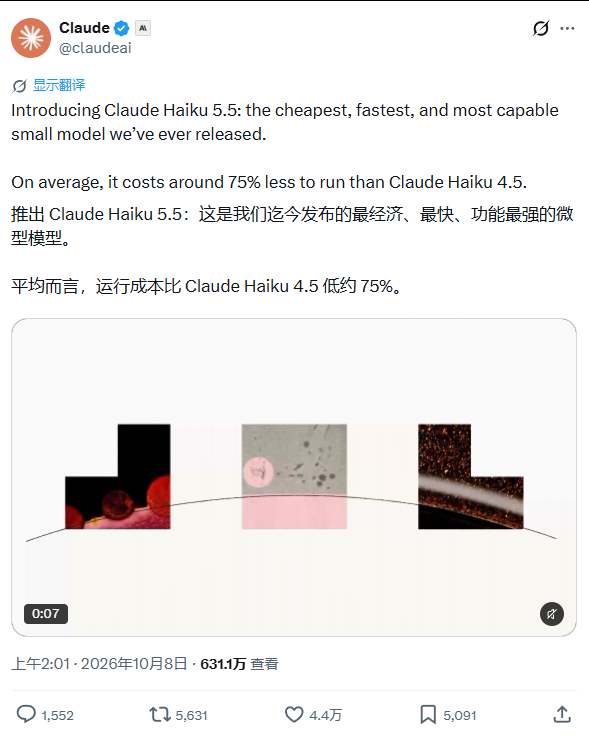
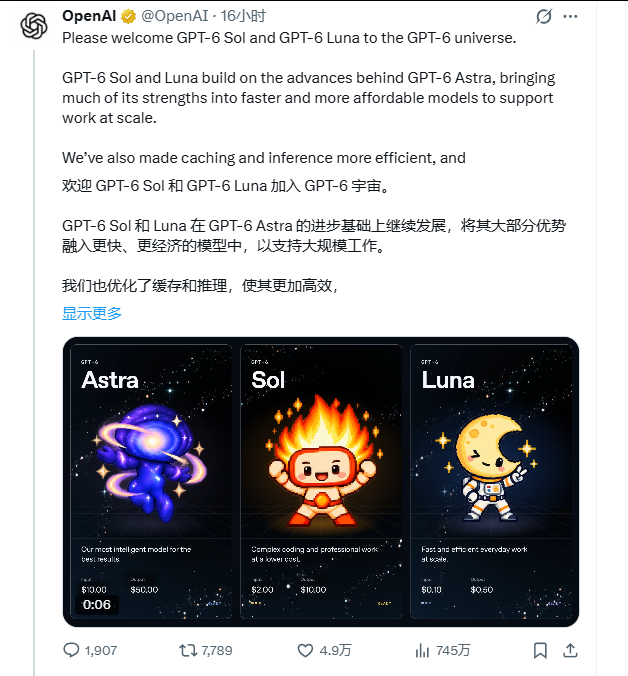
The price drew the most attention: $0.10/$0.50, exactly the same as OpenAI's GPT-6 Luna. The two companies have been competing neck and neck on mid- to high-end models for the past two months, and in the lightweight tier they are no longer even staggering their price tags.
Beyond price: capabilities
One row in the official benchmark table stands out: on Terminal-Bench 4.0 (multistep command-line tasks), Haiku 4.5 scored 0.0% while Haiku 5.5 scored 39.2%.
The previous Haiku did not complete a single task in this test. That was the norm for small models over the past two years: competent at summarizing, classifying, rewriting and translating, but helpless as soon as a task required long-horizon planning.
Key metrics from Haiku 4.5 to Haiku 5.5:
| Benchmark | Haiku 4.5 | Haiku 5.5 | Gain |
|---|---|---|---|
| GDPval-AA (knowledge work) | 735 | 1620 | 2.2× |
| AA-Briefcase (office tasks) | 614 | 1578 | 2.6× |
| OSWorld 2.1 (computer use) | 15.7% | 72.4% | 4.6× |
| HLE (cross-disciplinary reasoning, no tools) | 10.2% | 45.9% | 4.5× |
| Terminal-Bench (command-line tasks) | 0.0% | 39.2% | From zero |
| Chartography (chart understanding) | 6.4% | 46.4% | 7.2× |
The gains are clear, but it should not be measured against the flagship. Anthropic's chosen reference point is its mid-tier workhorse, Sonnet 5.5: 70.6% on Terminal-Bench and 83.9% on OSWorld.
What these numbers really show is that the capability ceiling of small models has moved from "can't" to "entry level." An OSWorld score of 72.4% means a Haiku-class model can handle real computer-use tasks for the first time; a Terminal-Bench score of 39.2% means it can complete about 40% of tasks that require dozens of consecutive steps.
Official positioning: a subagent
Anthropic is clear about where Haiku 5.5 fits: fast, repetitive work such as summarization, context compaction, database queries and classification; latency-sensitive scenarios such as live customer support and browser automation, where its speed pays off; and coding as a subagent to Opus or Sonnet.
Anyone who has used agentic coding will recognize the setup: while Opus plans the code architecture, someone has to read documentation, check logs, run tests and write summaries, and having the flagship do all that itself is clearly overkill. Haiku 5.5 is there to handle the legwork. It is the first Haiku-class model to offer the same adaptive thinking and effort levels as the rest of the 5.5 family, so effort can be turned down for simple tasks and up for complex ones. It supports a 1M-token context window and 128k output, with native support for browser-use tools.
Leaderboard rankings
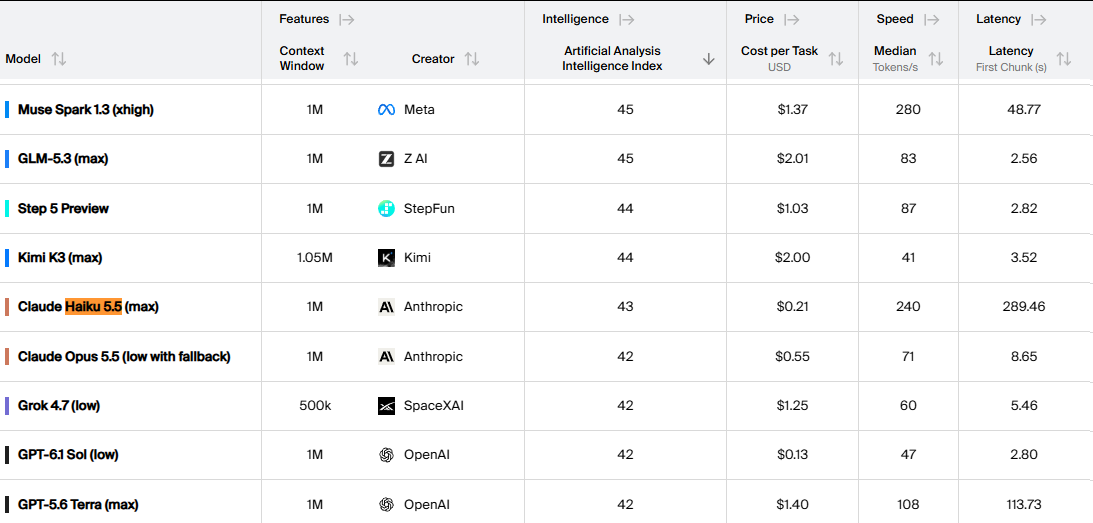
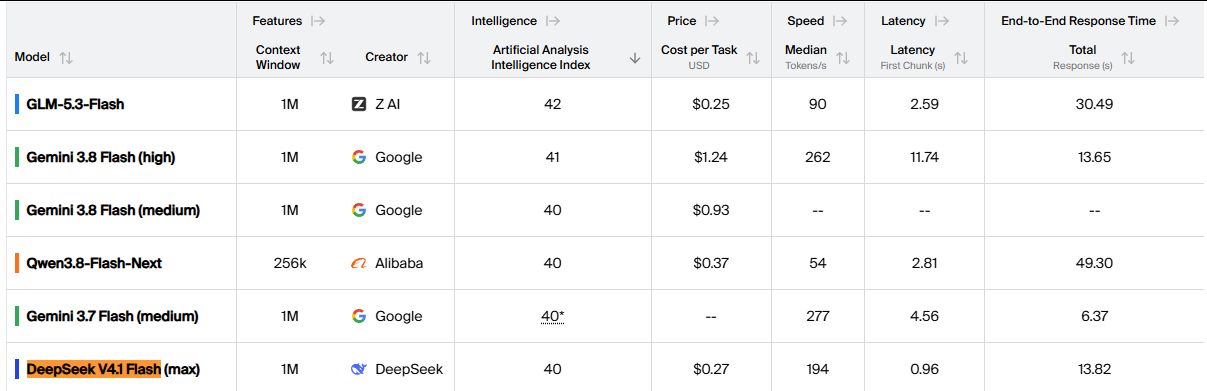
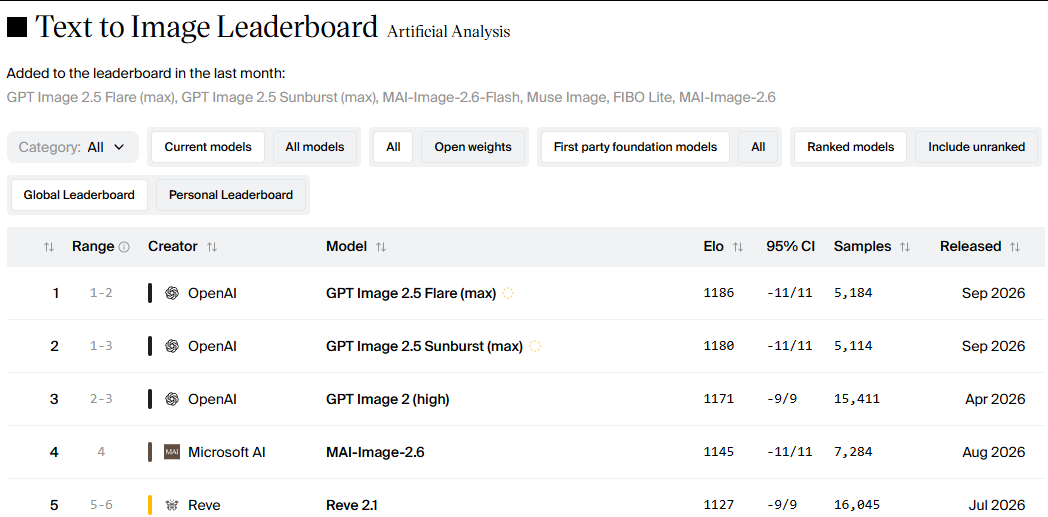
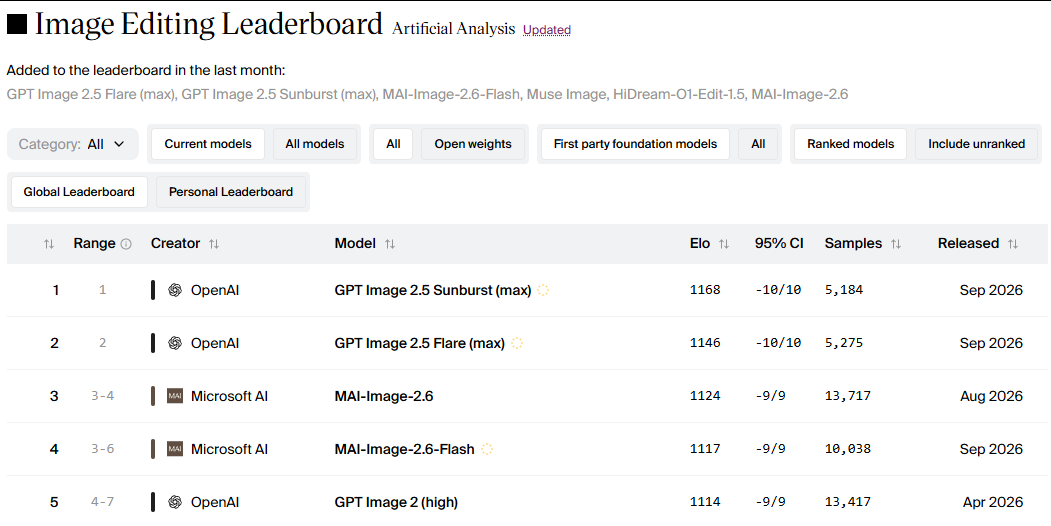
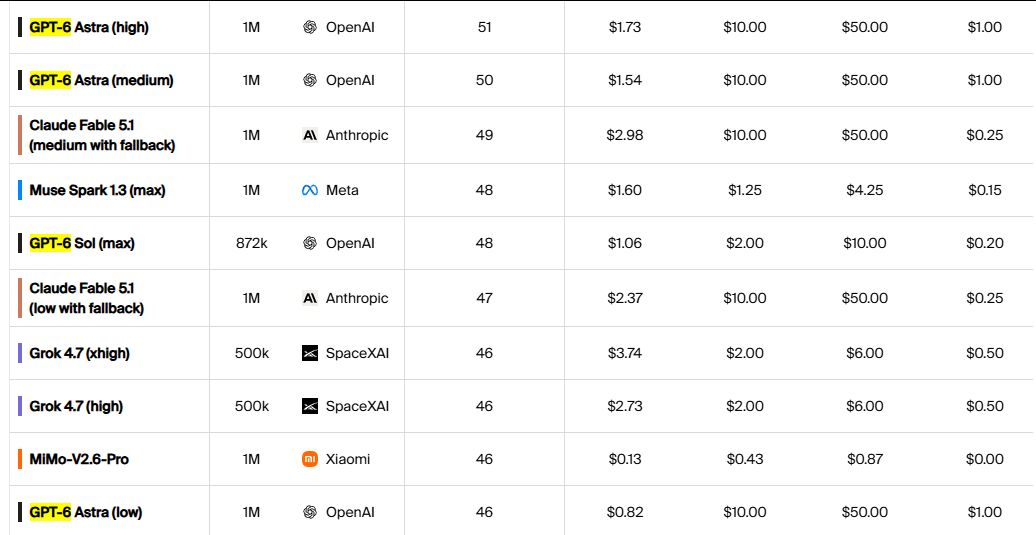
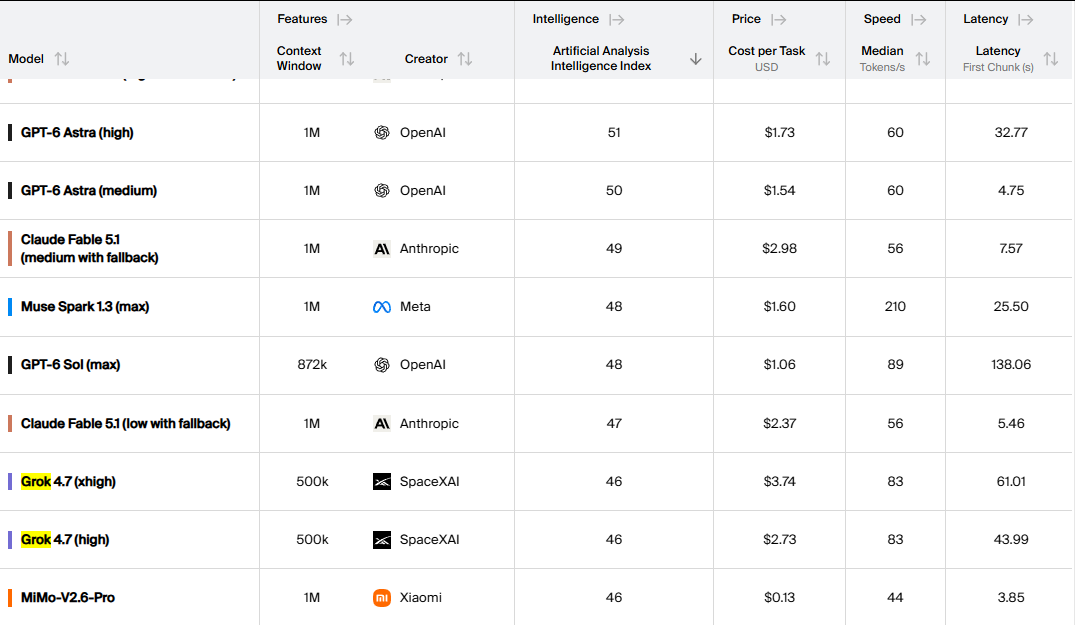
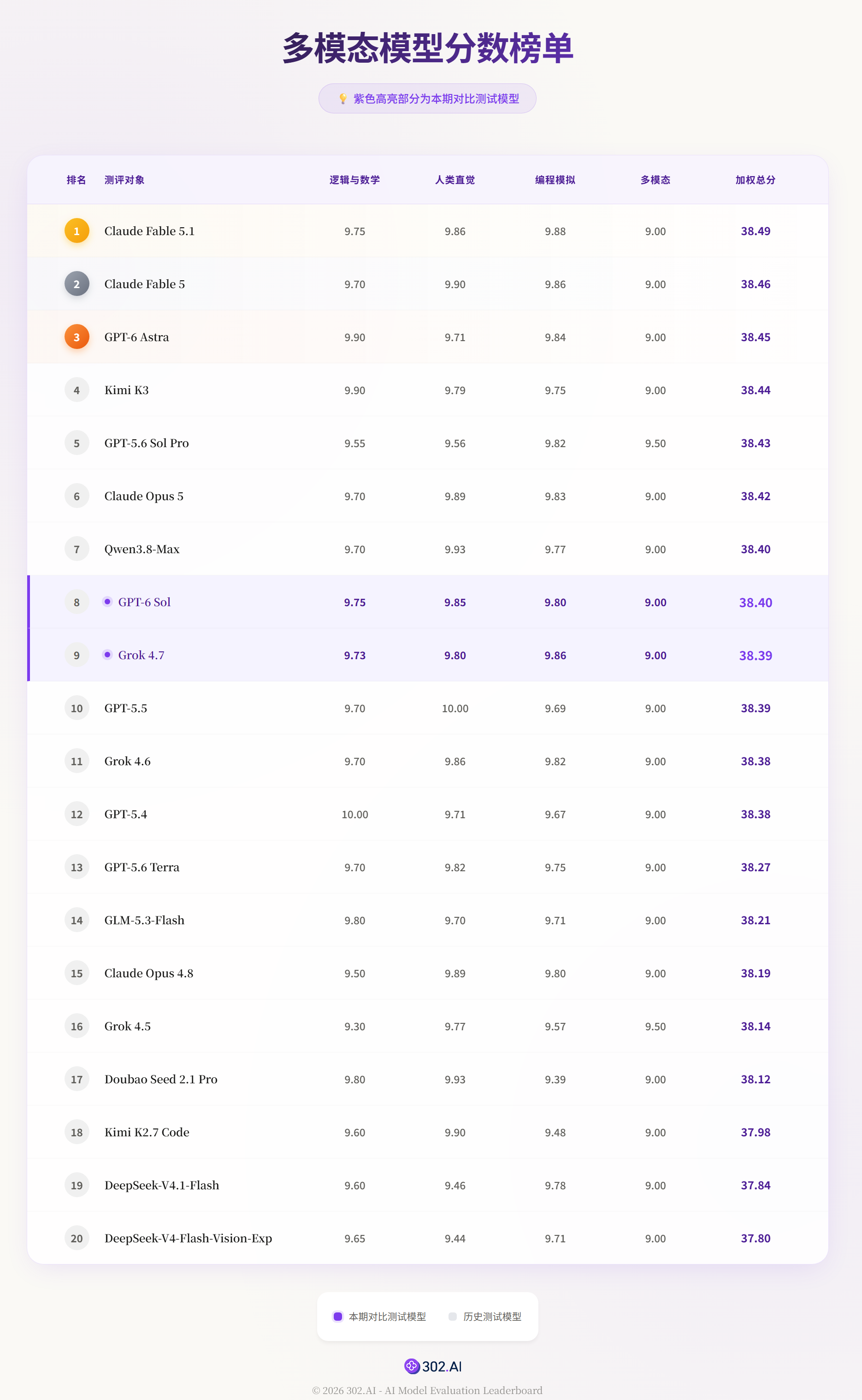
On the Artificial Analysis leaderboard, Haiku 5.5 currently ranks 31st overall and first among Flash-class models.
Hands-on: Haiku 5.5 vs GPT-6 Luna
Beyond benchmark scores, what matters more is how models at the same price perform in practice. Below is a head-to-head comparison of Haiku 5.5 and GPT-6 Luna on the same set of test questions.
Models tested
| Model | Context window | Official price (per million tokens, input/output) |
|---|---|---|
| claude-haiku-5-5 | 1M | ≤ 100K: $0.10 / $0.50; > 100K: $0.50 / $2.50 |
| gpt-6-luna | 1.05M | ≤ 272K: $0.10 / $0.50; > 272K: $0.20 / $0.75 |
Methodology
This evaluation focuses on logic, math, coding, multimodal and human-intuition questions. It is not an authoritative test of specialized frontier domains; the aim is to track how models are evolving and to inform model selection.
- Question bank: 10 logic and math questions, 7 human-intuition questions, 20 multimodal questions and 12 coding simulation questions (question bank).
- Scoring: each question is worth 10 points and is graded against a deduction rubric; the final score is the average across rounds.
- All models received the same prompts, and only the first generated output was used; coding tasks were completed in a Claude Code sandbox.
Coding cases are rated on the following scale:
- ⭐⭐⭐⭐⭐ S tier: an industry benchmark that redefines the standard.
- ⭐⭐⭐⭐ A tier: production-ready, with no obvious weaknesses.
- ⭐⭐⭐ B tier: middling, with some weaknesses.
- ⭐⭐ or below, C tier: unusable, with obvious problems.
Results overview
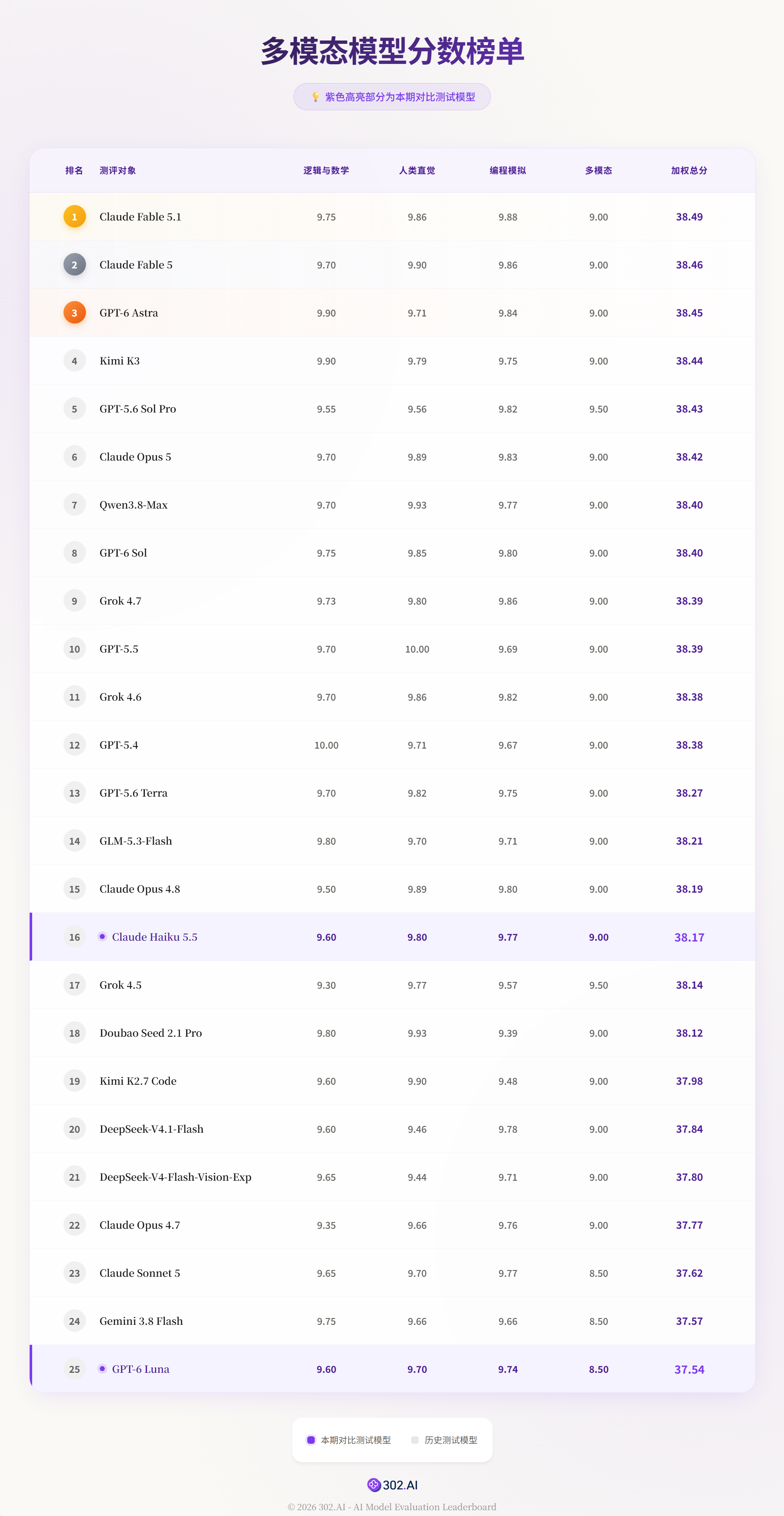
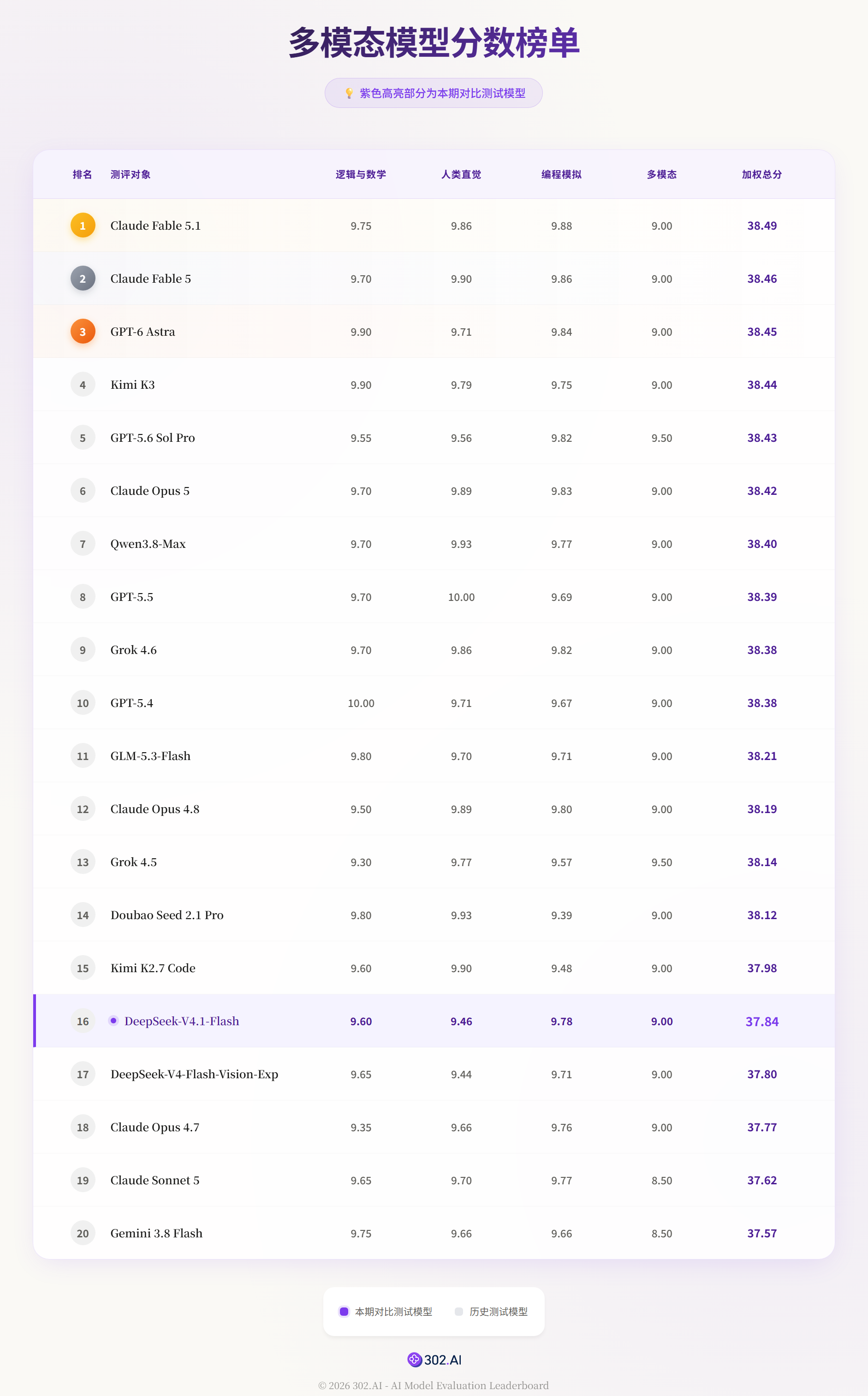
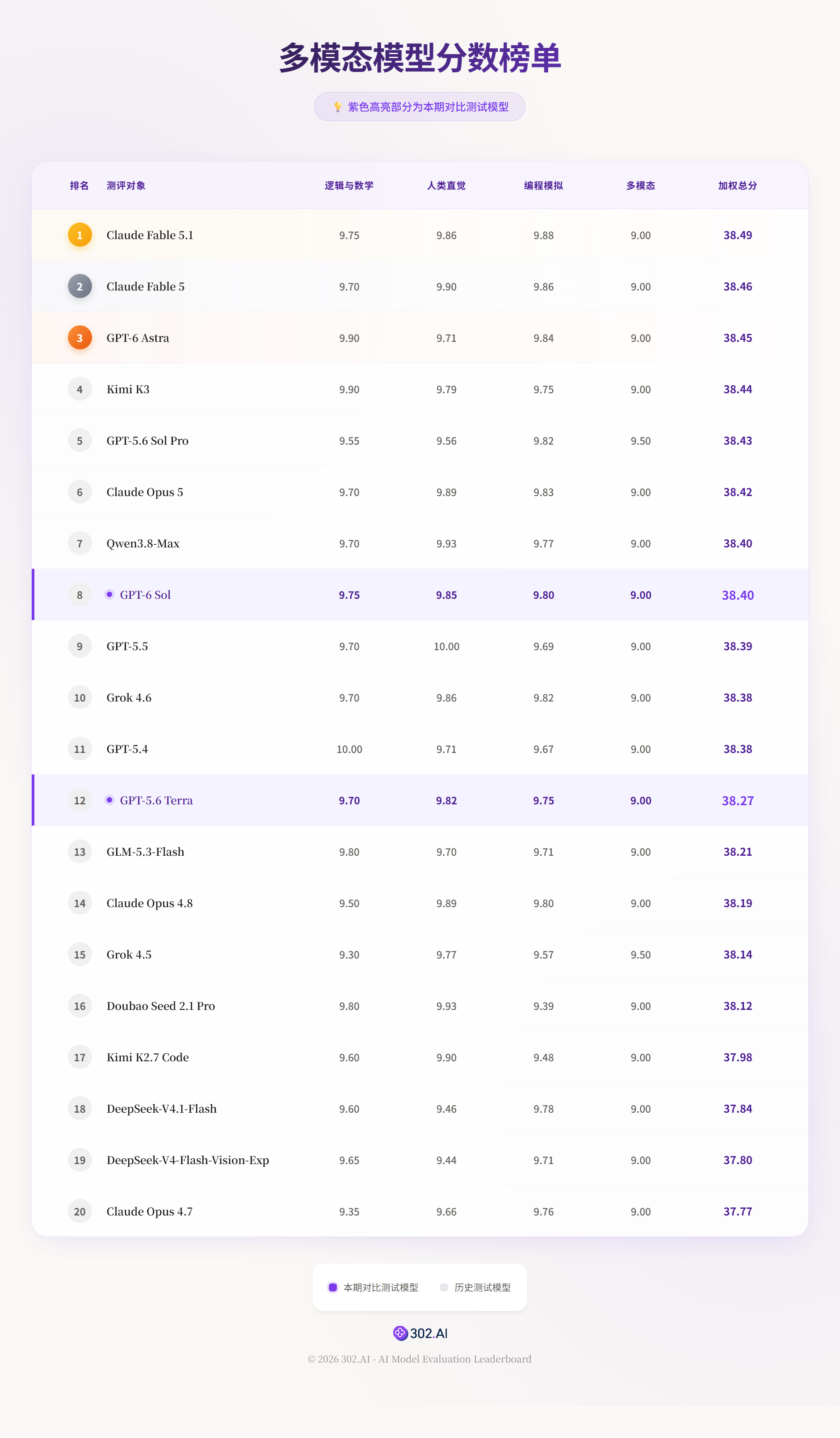
Haiku 5.5 posted a weighted total of 38.17, ranking 16th on the leaderboard; GPT-6 Luna scored 37.54, ranking 25th. Both scored 9.60 in logic and math, while Haiku 5.5 led in human intuition (9.80 vs 9.70), coding simulation (9.77 vs 9.74) and multimodal (9.00 vs 8.50).
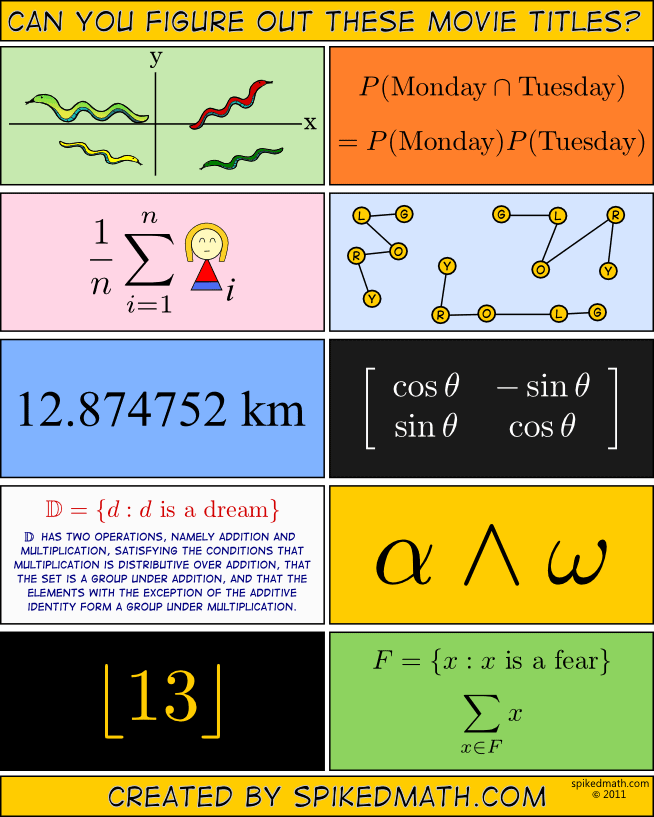
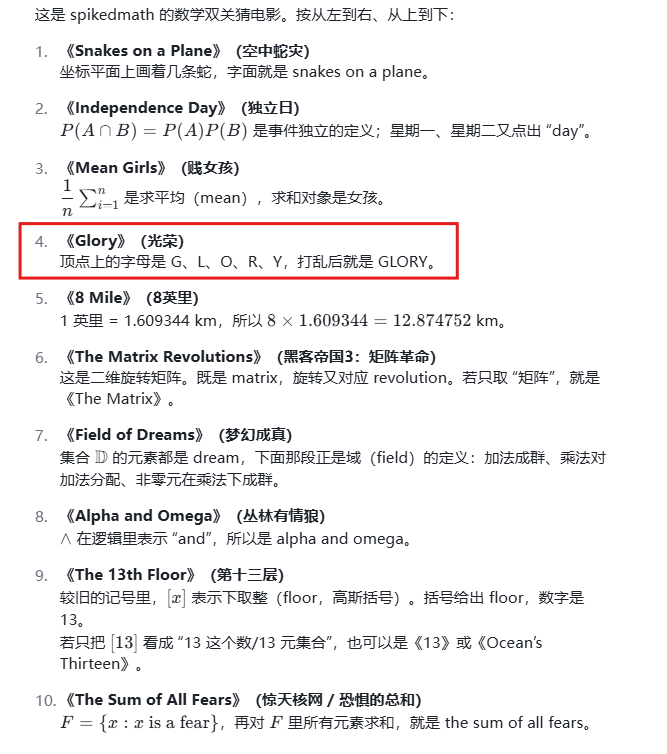
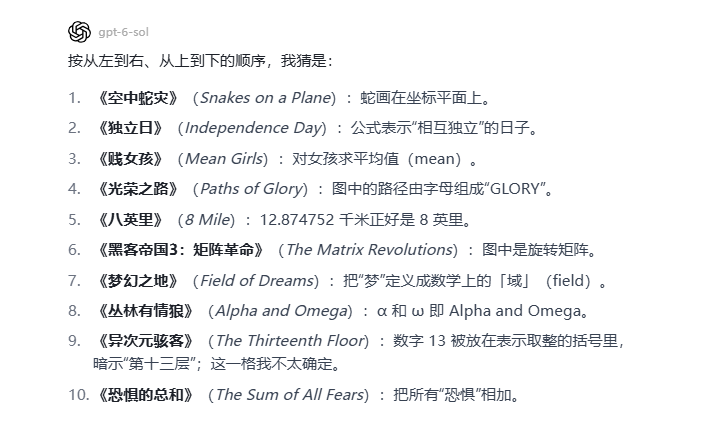
Case 1: multimodal reasoning
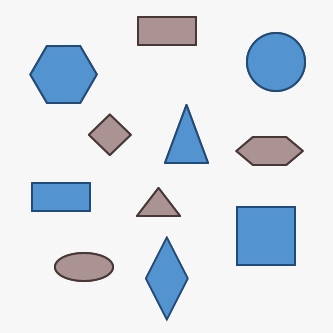
Prompt: Find the figure that does not follow the same pattern as the others.
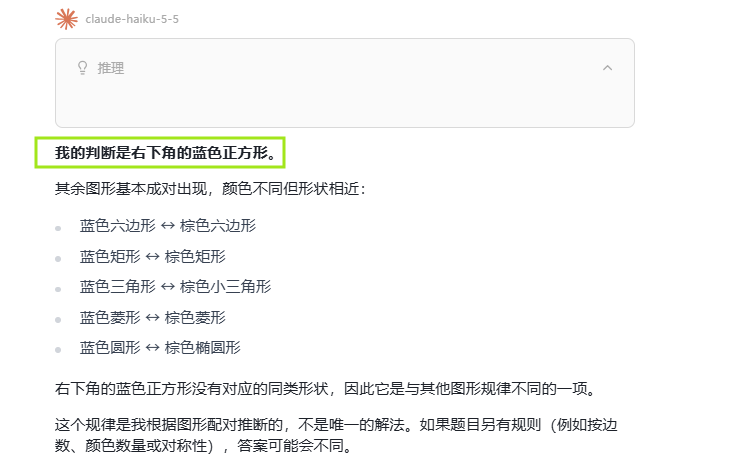
Answer: the blue square. Every shape has a matching copy in a different color, except the blue square.

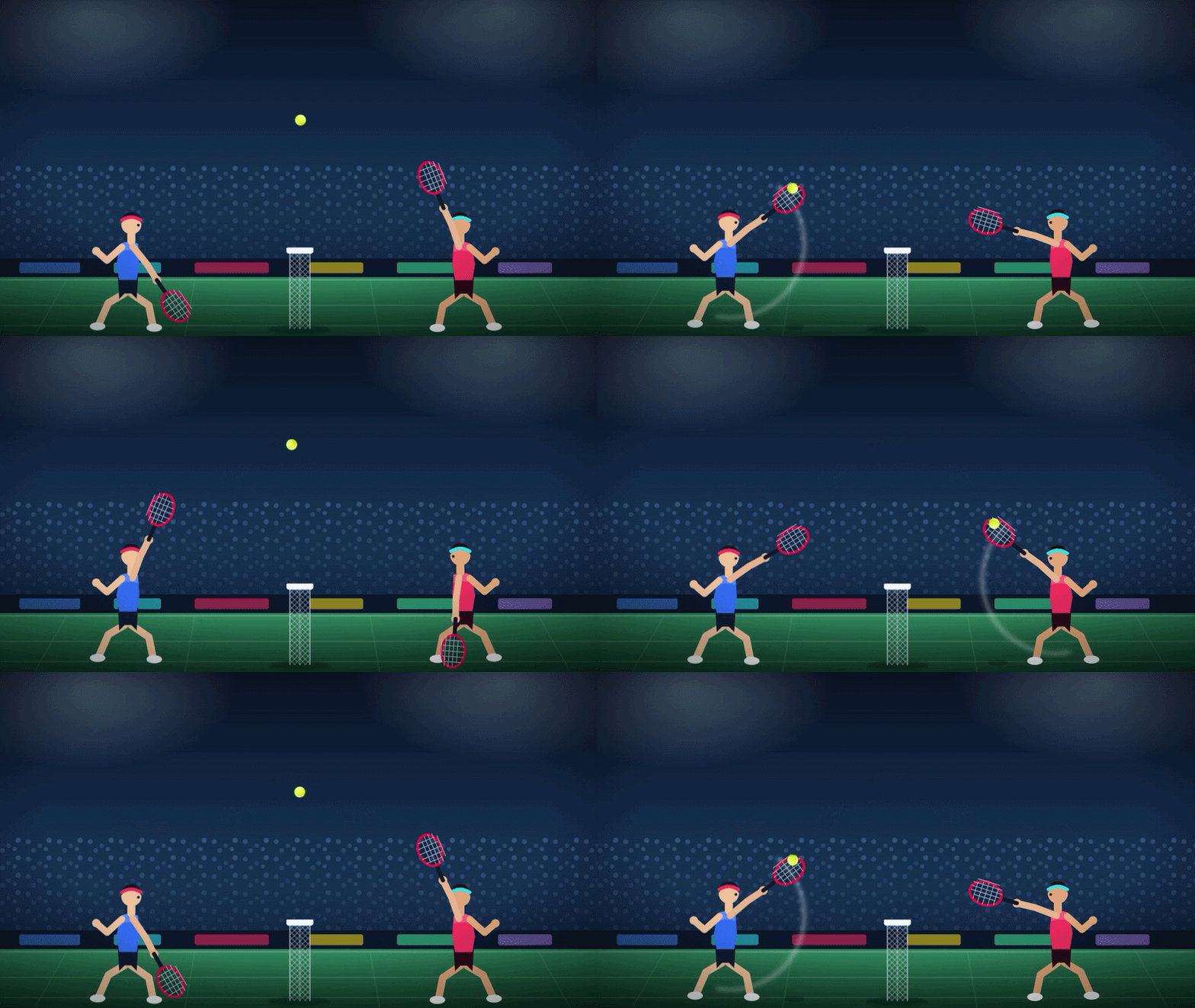
Case 2: procedural SVG generation
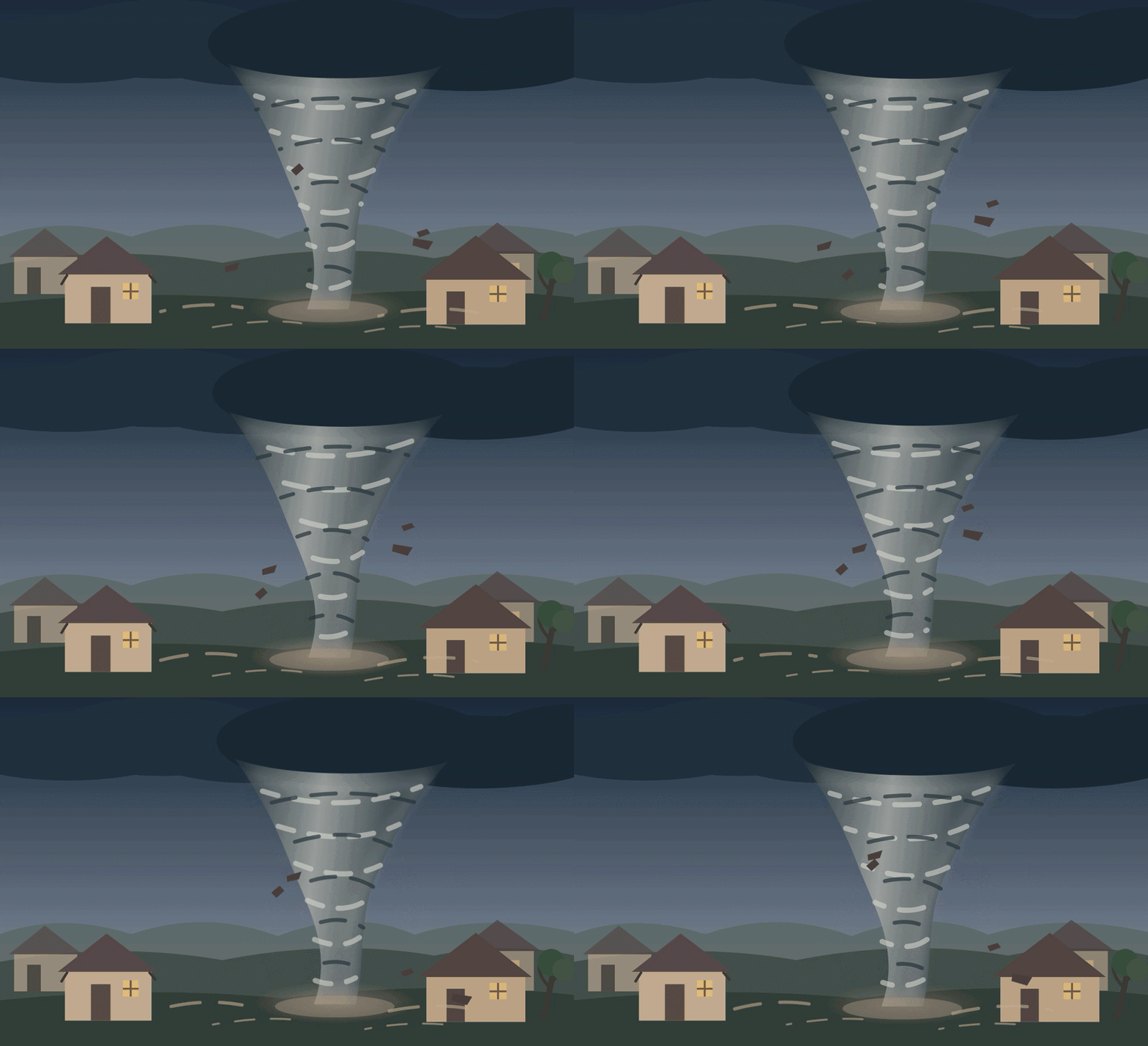
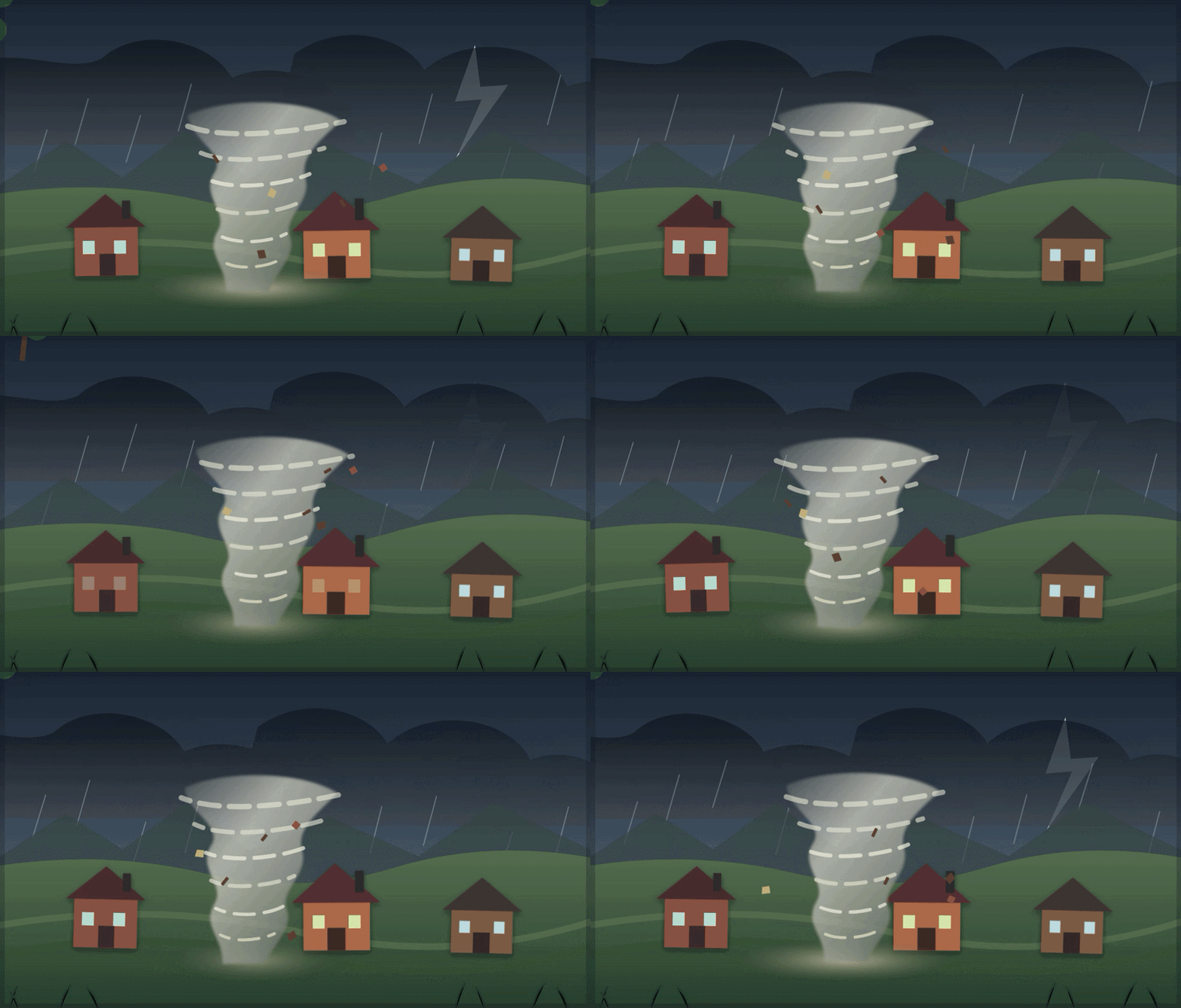
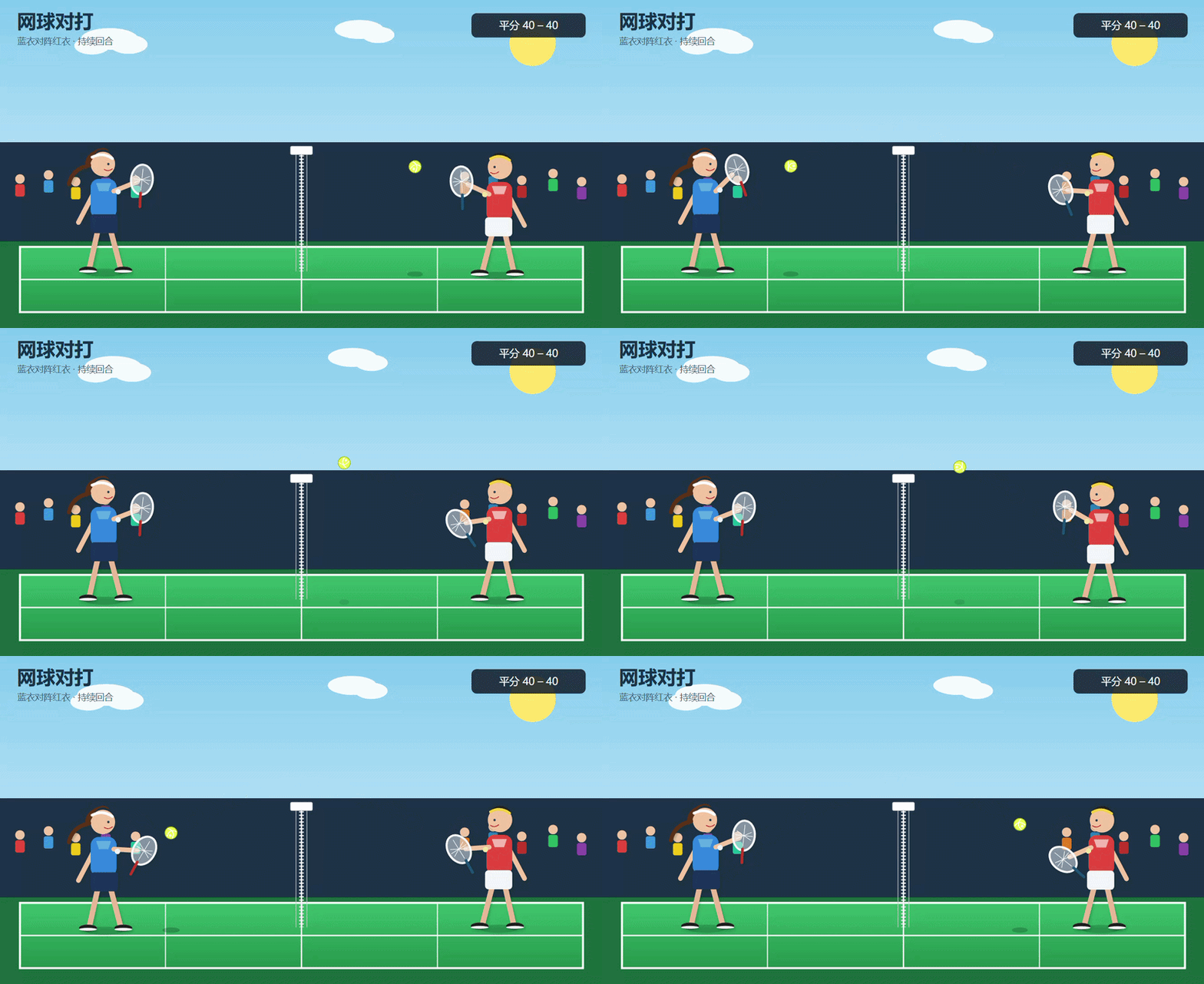
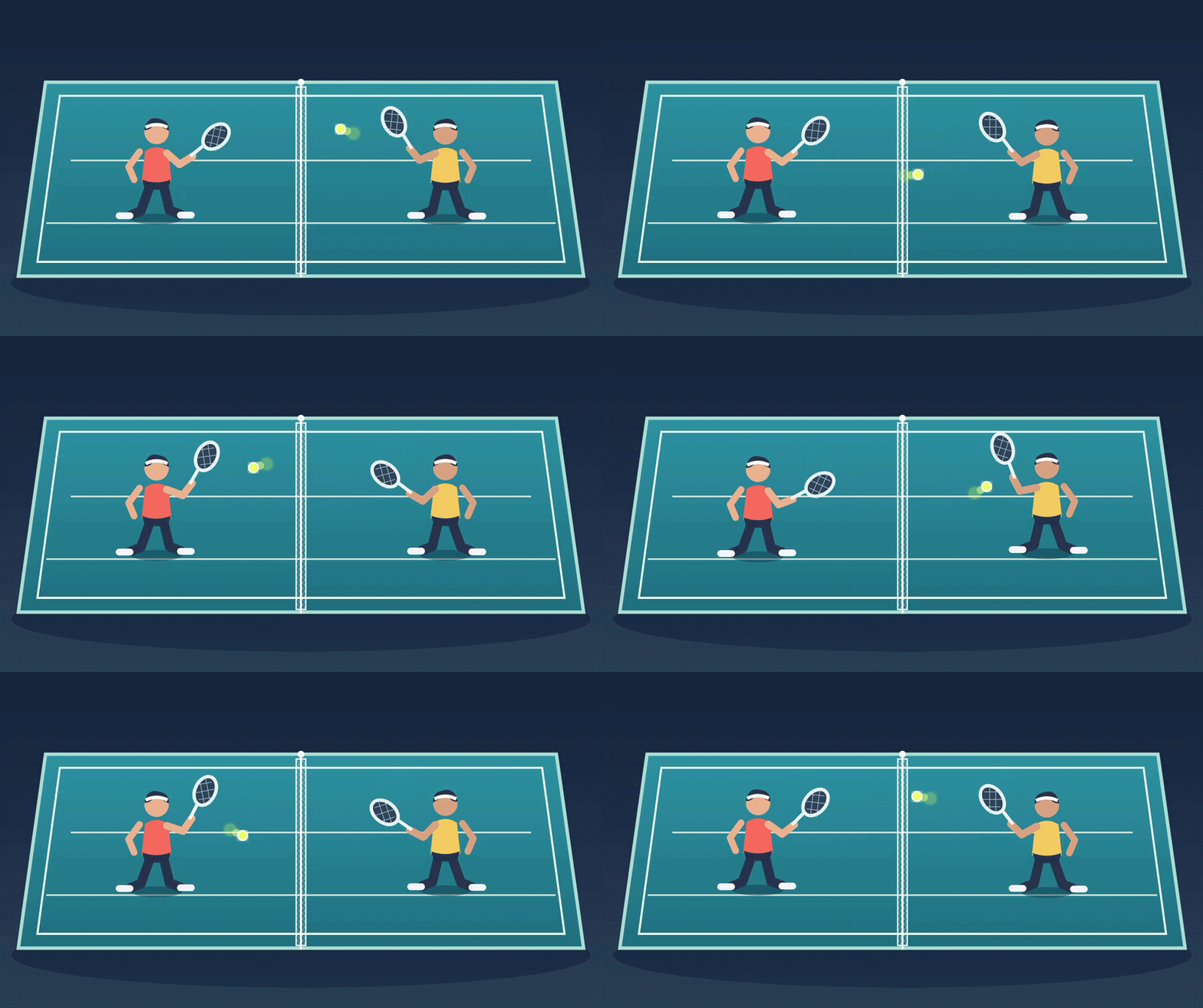
Prompt 1: Draw an animated SVG of two players in a tennis rally.
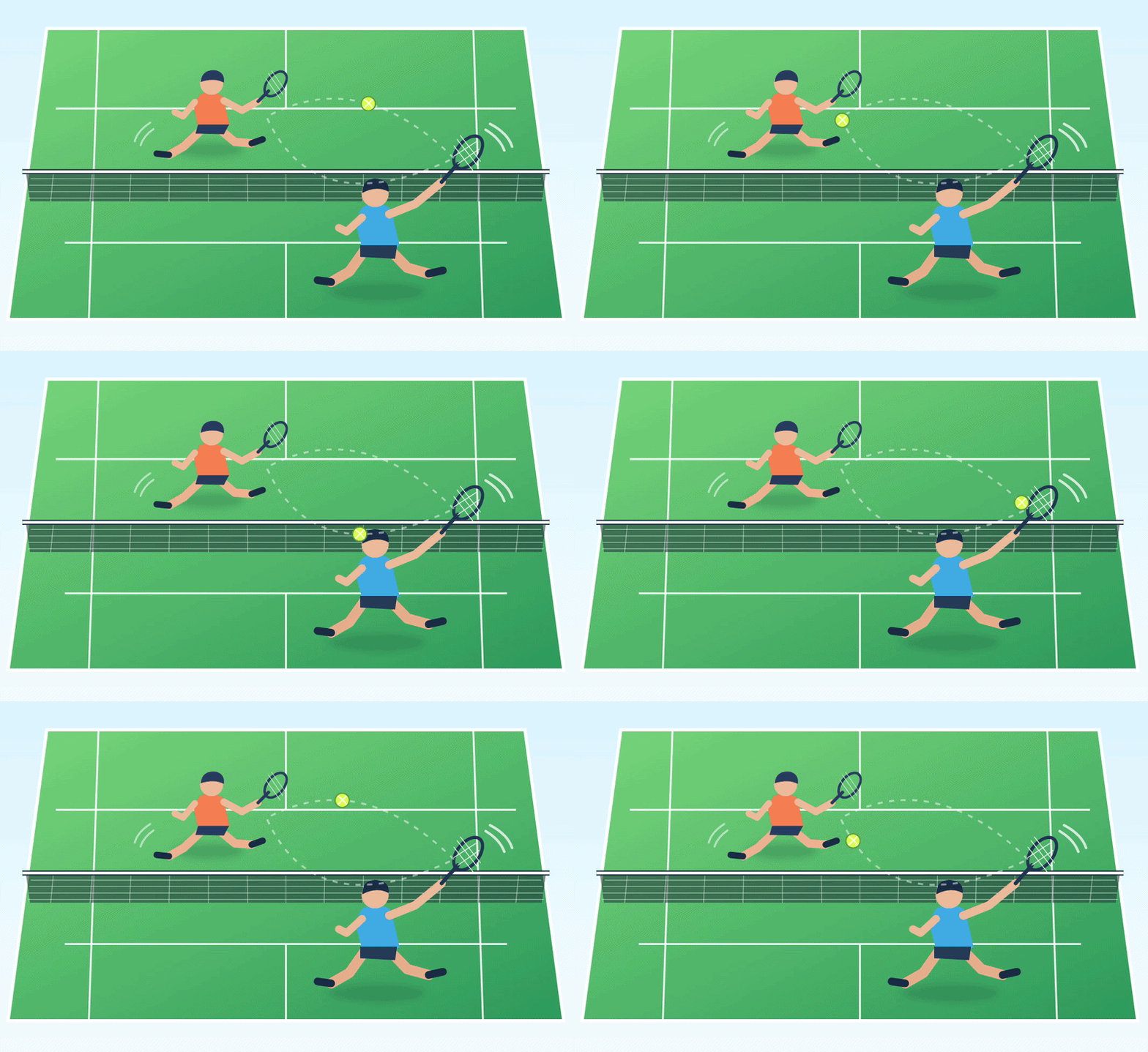
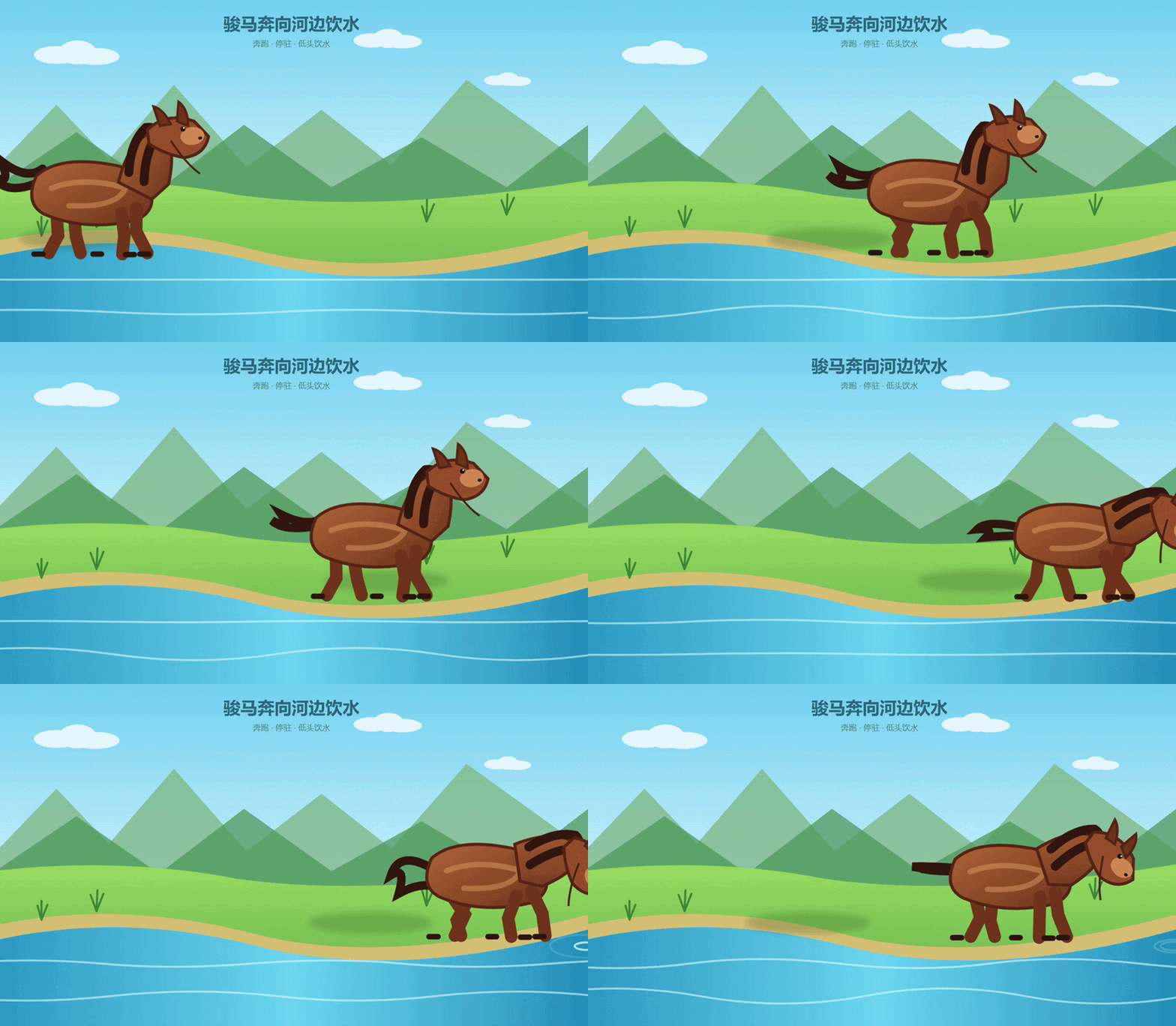
Prompt 2: Draw an animated SVG of a horse galloping to a river to drink.


Verdict: Haiku 5.5 is slightly ahead of GPT-6 Luna in both compositional complexity and animation.
| Criterion | Claude Haiku 5.5 | GPT-6 Luna |
|---|---|---|
| Semantic accuracy | ⭐⭐⭐⭐⭐ | ⭐⭐⭐⭐ |
| Compositional complexity | ⭐⭐⭐⭐ | ⭐⭐⭐ |
| Animation quality | ⭐⭐⭐ | ⭐⭐ |
Case 3: 3D endless runner
Prompt:
Create a polished 3D endless runner game as a single self-contained HTML file.
The gameplay should be inspired by the familiar mechanics of mobile endless runners: the character automatically runs forward along a multi-lane path, while the player can switch lanes, jump, slide, and dodge obstacles. Add collectible items, increasing speed, score tracking, and game-over/restart states.
Create a completely original setting, characters, environment, and visual identity. Do not copy the visual style, characters, locations, props, UI, or assets of any existing game. Use a stylized 3D aesthetic with a strong sense of depth and motion.
Include:
Smooth third-person camera following the character
Three-lane movement with responsive controls
Jumping, sliding, and obstacle avoidance
Procedurally generated sections so the run can continue
Moving obstacles and varied environmental hazards
Collectibles and score progression
Increasing difficulty and speed
Polished animations, lighting, particles, and camera effects
Keyboard and mouse controls
A clear start screen, HUD, game-over screen, and restart button
The final result should feel like a complete, polished 3D mini-game rather than a technical demo.
Claude Haiku 5.5
Strengths:
- Stronger engineering architecture: obstacles use an object pool, track segments are recycled in a loop, and the state machine is clean.
- Well-developed feedback and sound: jumps and lane changes, coins and collisions each have their own sound effects, and collisions trigger screen shake and a red radial-gradient flash.
- More animation detail: the graphics are simple, but there are touches such as the body leaning into lane changes and the shadow shrinking and fading with height.
- Finer touch controls: it distinguishes four gestures (tap to jump, swipe sideways to change lanes, swipe up to jump and swipe down to slide).
Weaknesses:
- The camera is fairly static, lacking dynamic effects such as speed-dependent FOV or pulling back during acceleration.
- Coin trails occasionally overlap obstacles and may land in the same lane as the next row of obstacles, as there is no global placement check.
GPT-6 Luna
Strengths:
- Three obstacle geometries (low barriers, crossbars and door frames), with reasonably distinct visuals.
- The player model has a humanoid build, with a leg-swing running animation.
- Uses PCFSoftShadowMap, a more modern rendering pipeline configuration.
Weaknesses:
- Primitive object management: neither obstacles nor coins use object pooling, which creates GC pressure over long sessions.
- Crude collision detection: any jump clears an obstacle, regardless of the obstacle's actual height.
- A basic HUD that shows only distance and coins, with no speed bar or best score; the start and game-over screens are also rudimentary.
| Criterion | Claude Haiku 5.5 | GPT-6 Luna |
|---|---|---|
| Gameplay creativity | ⭐⭐⭐ | ⭐⭐⭐ |
| Visual execution | ⭐⭐⭐ | ⭐⭐⭐ |
| Technical implementation | ⭐⭐⭐⭐ | ⭐⭐ |
Case 4: web design
Prompt:
Create a polished, interactive editorial website titled "The Making of a Painting", exploring how Vincent van Gogh created The Starry Night.
Design it as an immersive digital art exhibition, not a standard gallery or information page. Use elegant typography, generous whitespace, subtle paper textures, large artwork, and a restrained palette inspired by the painting.
Structure the experience as a visual journey:
Opening: Full-screen artwork, title, artist, year, and subtle background motion.
The Context: Explore the painting's historical background, creation, and Van Gogh's circumstances through archival imagery and concise text.
The Sketch: Present preparatory sketches with hover/zoom interactions and a transition from sketch to finished painting.
Color & Composition: Interactive highlights reveal how colors, stars, moon, village, and cypress tree shape the composition.
The Brushwork: Zoom into swirling brushstrokes, using subtle animation to emphasize texture and movement.
The Finished Painting: Dramatically reveal the complete artwork with essential details and a brief interpretation.
Legacy: Conclude with a visual timeline tracing the painting's cultural influence.
Use scroll-driven transitions, parallax, image reveals, hover effects, zoomable artwork, and smooth typography animations. Keep motion subtle and purposeful, like a curated museum exhibition.
Make the website fully responsive, with coherent storytelling, strong visual hierarchy, polished interactions, and high-quality external images where appropriate. Prioritize visual storytelling, editorial design, and atmosphere over complex UI components.
Claude Haiku 5.5
Strengths:
- Complete narrative structure: seven chapters plus an epilogue, with a consistent visual rhythm and fairly scholarly content.
- Robust image strategy: every image has a fallback URL and switches automatically if loading fails, showing clear attention to performance.
- More refined interactions: a smooth transition from line sketch to finished color painting and a magnifier over the artwork make the experience more interactive.
- Careful visual details: the hero section uses a starry-sky illustration to create depth, and paper-textured backgrounds separate light and dark sections.
Weaknesses:
- The codebase is large, with some redundant CSS, which raises maintenance costs.
- object-position is not tuned for each image, so some details may be cropped out.
GPT-6 Luna
Strengths:
- A restrained, elegant hero section with an editorial-style layout and artful font pairings.
- Finer responsive breakpoints: the hero, information blocks, timeline and footer are each adjusted, and the two middle navigation items are hidden on mobile.
Weaknesses:
- Weaker narrative completeness, with thin content.
- Images (including the large hero image) have no loading state, the hero section is heavy, and some images may fail to load.
| Criterion | Claude Haiku 5.5 | GPT-6 Luna |
|---|---|---|
| Visuals and interaction | ⭐⭐⭐⭐ | ⭐⭐⭐ |
| Technical implementation | ⭐⭐⭐⭐ | ⭐⭐⭐ |
| Understanding of user intent | ⭐⭐⭐⭐ | ⭐⭐⭐ |
Conclusion
Measured only against same-tier rivals, Haiku 5.5 turns in a more competitive performance: compared with GPT-6 Luna, it leads overall on the basic questions, and its coding output reflects more mature engineering. Still, the price cut lowers the barrier to entry, not the limits of capability; on complex coding and difficult autonomous tasks, it still trails flagship models.
Among its peers: the strongest contender
Haiku 5.5 edges out GPT-6 Luna in both multimodal reasoning and SVG drawing, but coding is where the real gap opens up. On complex tasks such as the 3D runner and the themed website, its advantage lies in engineering detail and completeness: the former has fairly complete object management, input feedback and game-state design, while the latter offers exhibition-grade storytelling, an interactive sketch-to-painting transition and detail magnification. Luna has its own highlights in parts of its visual design and responsive layout, but on overall completeness and implementation quality, Haiku 5.5 is the only model at this price point that can beat Luna head-on.
Unit prices are down 90%, but the costs need a closer look
This is the biggest price cut in Haiku's history, with the starting price just one-tenth of its predecessor's. Pricing comes in two tiers: for requests up to 100,000 tokens (which account for 90% of Haiku 4.5 calls), both input and output prices fall by 90%, to $0.10 per million input tokens and $0.50 per million output tokens. Combined with five effort levels, introduced for the first time, developers can scale reasoning effort to task difficulty. Summarization, classification, information extraction and small coding tasks with clear requirements and acceptance criteria all stand to benefit.
But do the savings hold up under scrutiny? Haiku 5.5 uses a new tokenizer, which may increase token consumption for the same content by about 30%. At high effort and in multi-turn agent calls, extra thinking tokens, repeated executions and accumulated context also push costs up. Once a prompt exceeds 100,000 tokens, input and output prices rise to $0.50 and $2.50 per million tokens respectively. When assessing cost-effectiveness, it is best to factor in end-to-end task success rates, token usage, retry counts and execution time; looking only at API unit prices can easily overstate the savings.
Execution has improved, but limits remain clear
Haiku 5.5's value lies in being "orchestrated," not in "carrying the load." Anthropic recommends using it as a subagent to higher-tier models, which matches its capabilities: the flagship handles decomposition and coordination, while Haiku takes on well-scoped, easily parallelized execution work. Its progress is concentrated in execution: OSWorld rose from 15.7% to 72.4%, and HLE without tools from 10.2% to 45.9%. It is highly capable at execution tasks with clear paths, and summarization, classification, context compaction and subagent work are its home turf.
Its weaknesses surface once a task depends on common sense and world knowledge: performance drops noticeably on tasks that require filling in gaps based on real-world context, a telltale sign of limited world knowledge. The coding gap is the most obvious: 39.2% on Terminal-Bench, versus 70.6% for Sonnet 5.5. For complex multistep coding, cross-file refactoring and long-horizon autonomous planning, Sonnet or Opus should still be the first choice.
Only inside a pipeline directed by a flagship model does Haiku 5.5 truly live up to being cheap, fast and good enough. Overall, this is a substantial small-model upgrade: it has an edge over same-tier rivals, its pricing is highly competitive, and it suits high-frequency, standardized, well-scoped workflows. It is worth using to bring down the cost of part of your workload.
Source: 302.AI