Grok 4.7 tested: same price as Grok 4.6, built for long-horizon tasks
Grok 4.7 matches Grok 4.6 on price and pitches itself at the price-performance frontier. In side-by-side tests against GPT-6 Sol it shines on complex long-running tasks such as an immersive digital museum, but its general capabilities and hidden token costs still need weighing.
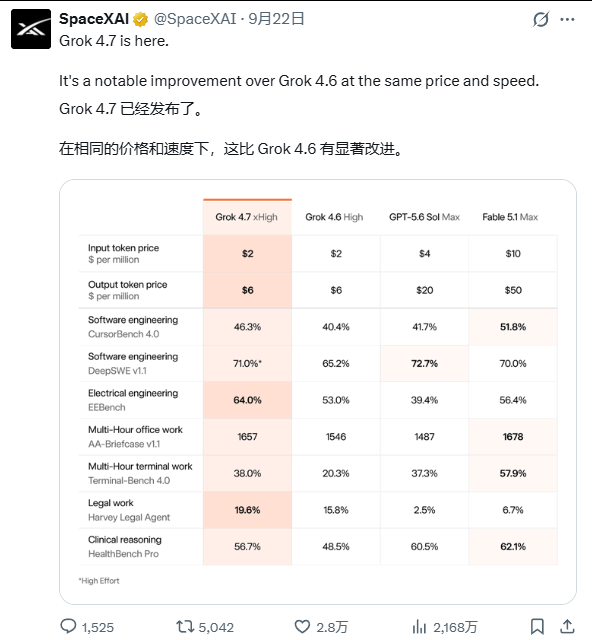
On September 22, SpaceXAI launched its latest flagship model, Grok 4.7. The plainest line in the announcement is also its main selling point: the same price and speed as Grok 4.6 ($2/$6), with a major upgrade in capability.
Not the strongest, but at the price-performance frontier
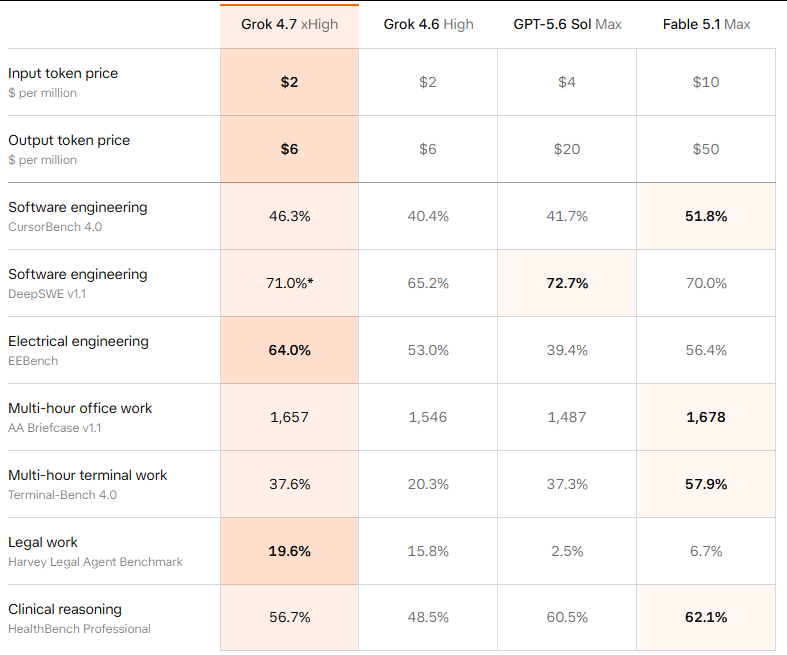
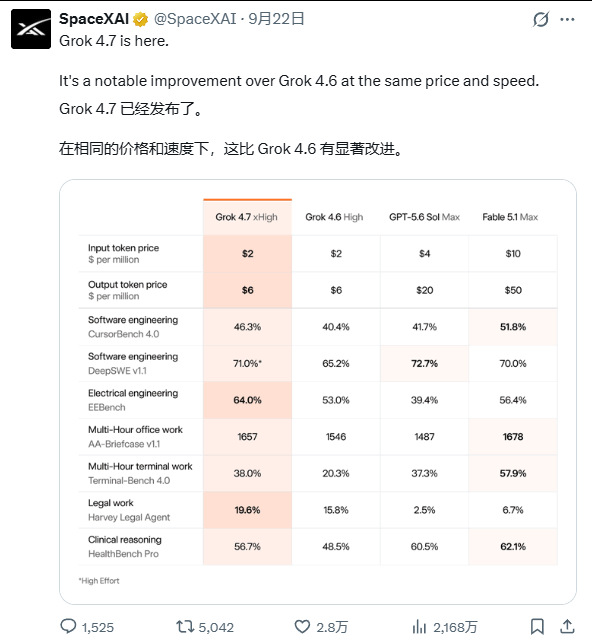
The key message of the official comparison table: on scores alone, Grok 4.7 is not the winner, but once price is factored in, it becomes the most cost-effective model.
On CursorBench, for example, Fable 5.1 scores 5.5% higher but costs more than five times as much. On the Harvey legal benchmark, Grok 4.7 scores 19.6% against Fable 5.1's 6.7%, nearly three times the score at a lower price.
The official wording is therefore quite precise: it is not the strongest model, but one "at the frontier in price-performance." No ceiling on intelligence, a ceiling on price: that is Musk's current playbook.
The awkward part is that the flurry of model releases in late September made the comparison table outdated the moment it was published: Grok 4.7's rivals are now GPT-6 Astra and Opus 5.5.
Safety: block the bad, spare the good
Beyond price, safety was the other area the announcement emphasized. SpaceXAI offered a two-sided set of metrics, measuring both whether dangerous requests are blocked and whether legitimate work gets caught in the crossfire:
- Biosecurity: top score of 62.4% on the LatchBio biosecurity benchmark, which measures the ability to refuse dangerous questions.
- Cybersecurity: on its in-house HackerBench v0.3 benchmark, only 3.3% of dangerous dual-use requests get through, while legitimate security work is rarely blocked.
A model's guardrails are not judged by how many bad requests it refuses: anyone can refuse every bad request, and pushing that score to 100% means nothing. What matters is how low it keeps false refusals while turning bad requests away. A 96.7% refusal rate with few false positives is exactly what Grok 4.7 is emphasizing.
Leaderboard rankings
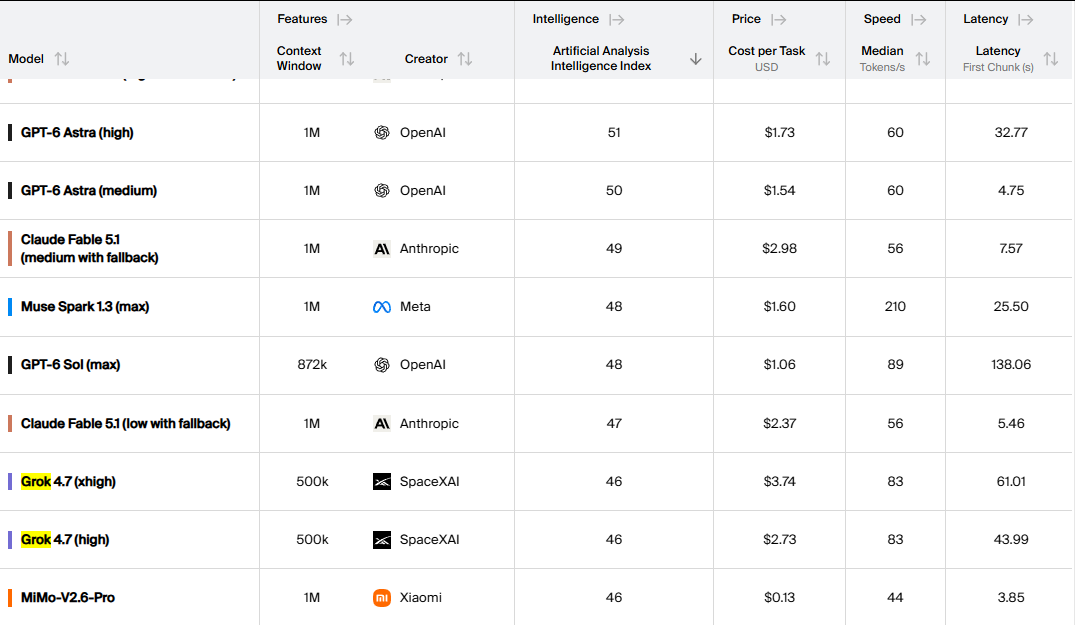
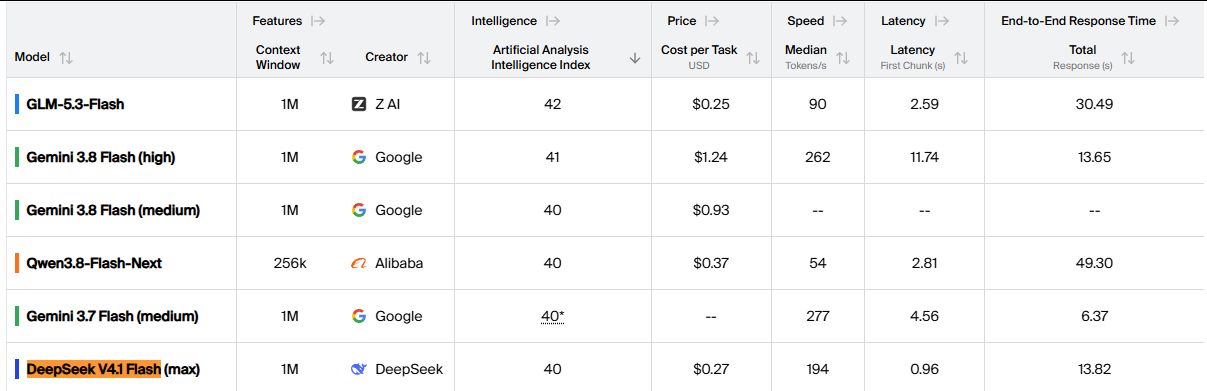
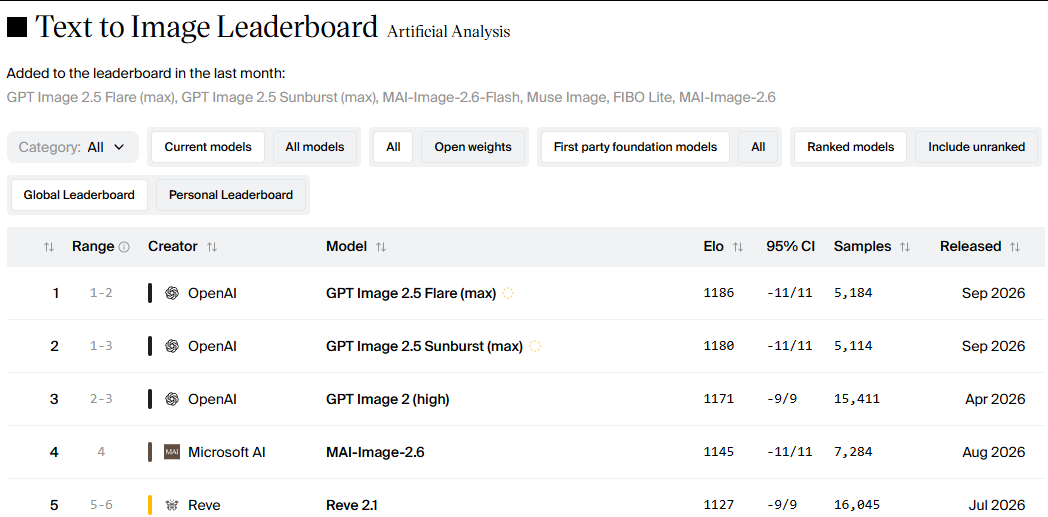
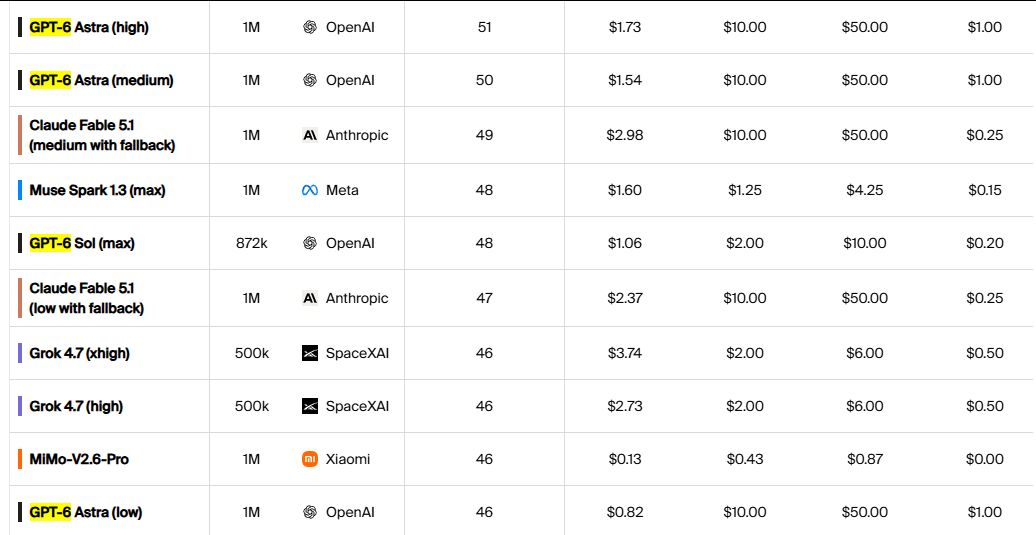
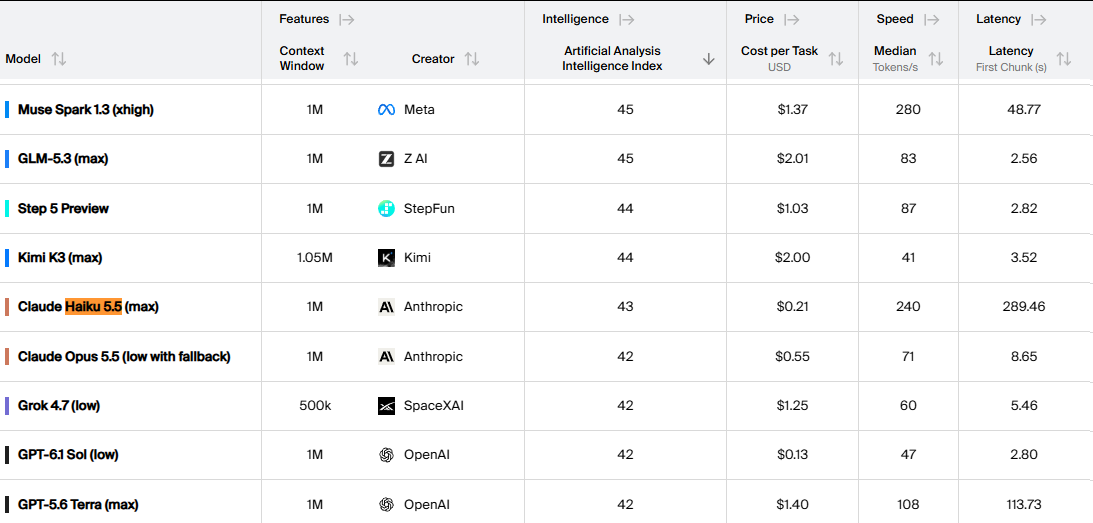
On the Artificial Analysis leaderboard, Grok 4.7 ranks 16th.
Hands-on: Grok 4.7 vs GPT-6 Sol
Where do Grok 4.7's real-world productivity limits lie? Below is a head-to-head comparison of Grok 4.7 and GPT-6 Sol on the same set of test questions.
Models tested
| Model | Context window | Official price (per million tokens, input/output) |
|---|---|---|
| grok-4.7 | 500K | $2 / $6 |
| gpt-6-sol | 1M | — |
Methodology
This evaluation focuses on logic, math, coding, multimodal and human-intuition questions. It is not an authoritative test of specialized frontier domains; the aim is to track how models are evolving and to inform model selection.
- Question bank: 10 logic and math questions, 7 human-intuition questions, 20 multimodal questions and 12 coding simulation questions, with final results determined by the scoring rules; representative cases are shown below (question bank).
- Scoring: each question is worth 10 points and is graded against a deduction rubric; the final score is the average across rounds.
- All models received the same prompts, and only the first generated output was used; coding tasks were completed in a Claude Code sandbox.
Coding cases are rated on the following scale:
- ⭐⭐⭐⭐⭐ S tier: an industry benchmark that redefines the standard.
- ⭐⭐⭐⭐ A tier: production-ready, with no obvious weaknesses.
- ⭐⭐⭐ B tier: middling, with some weaknesses.
- ⭐⭐ or below, C tier: unusable, with obvious problems.
Results overview
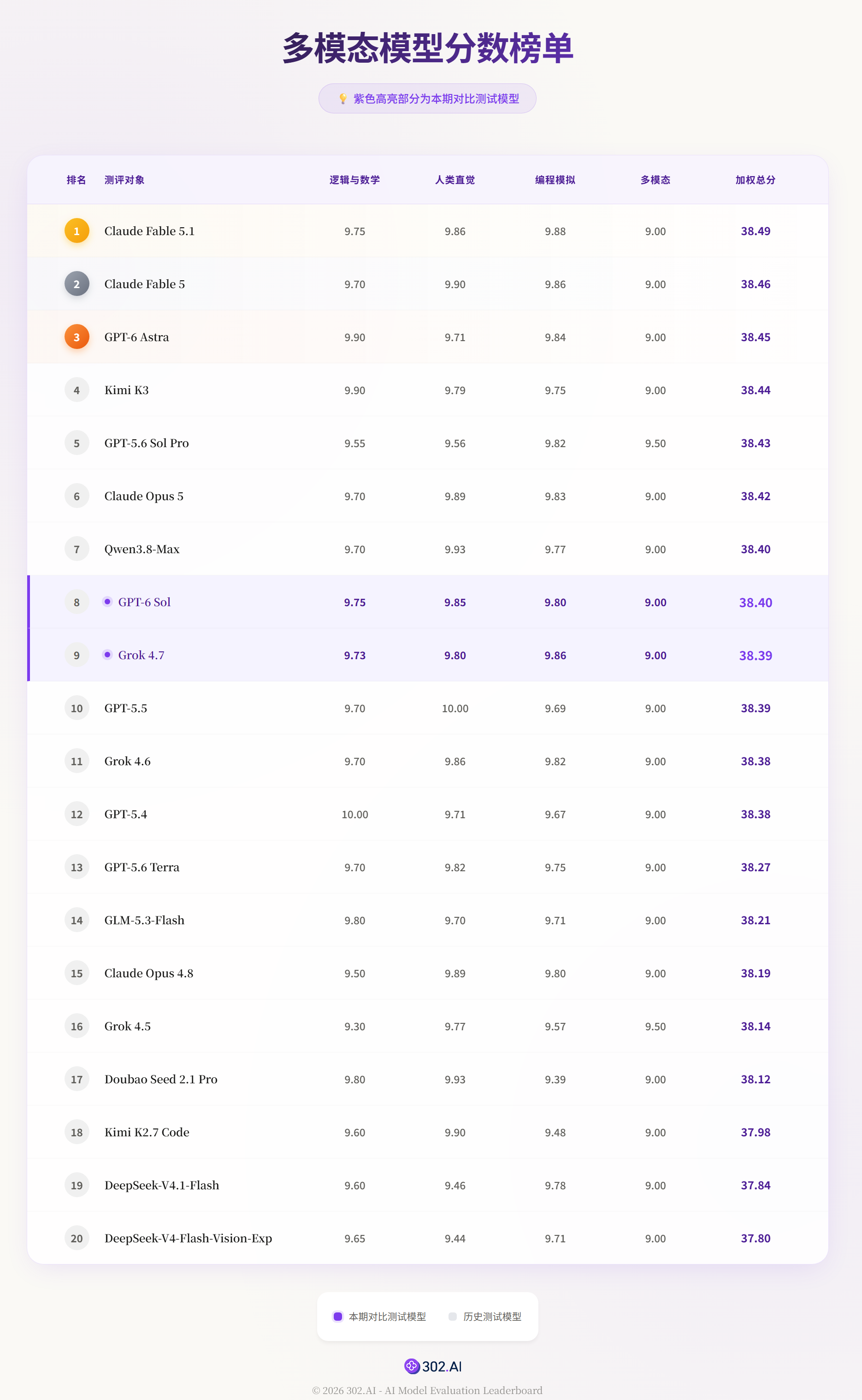
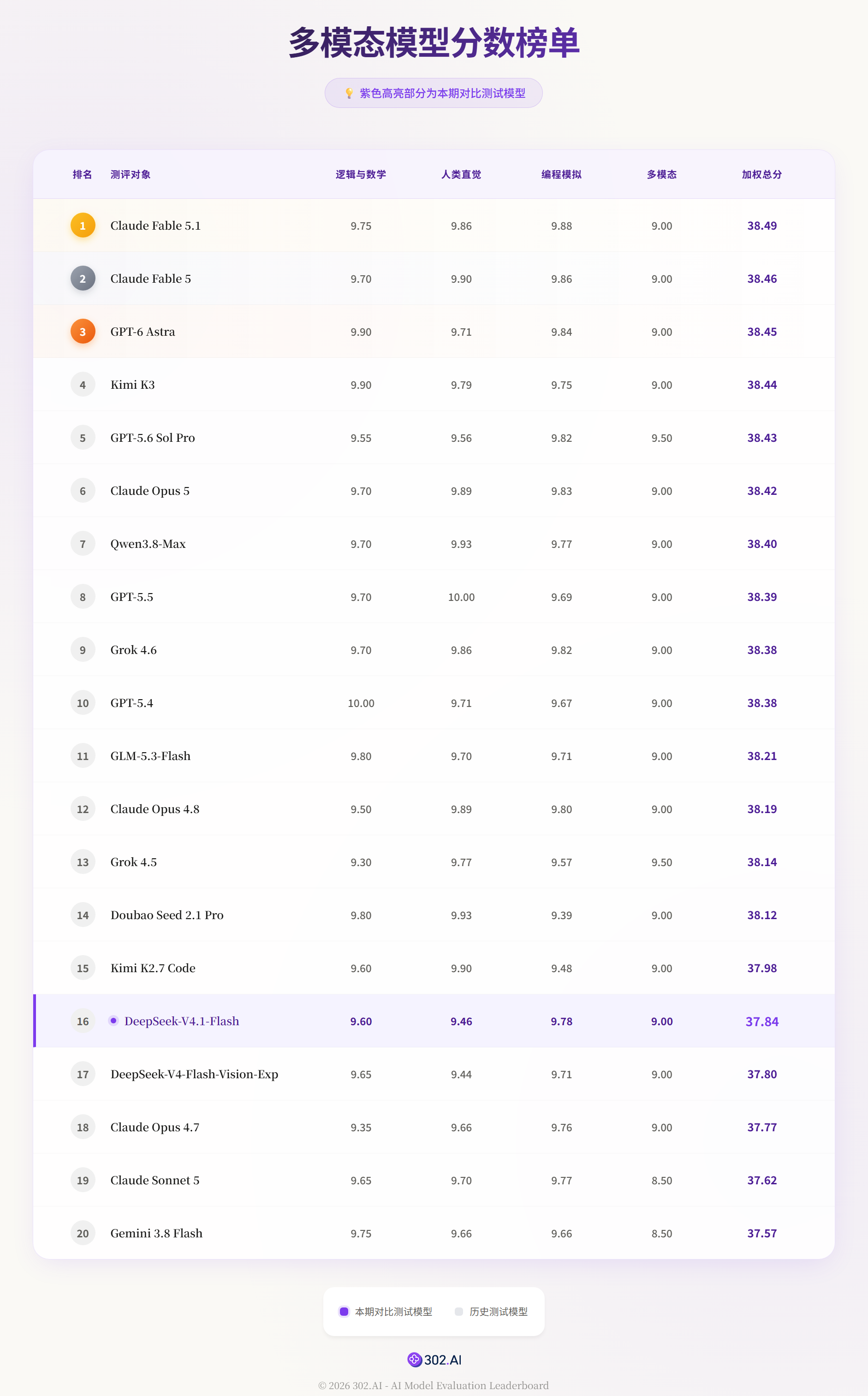
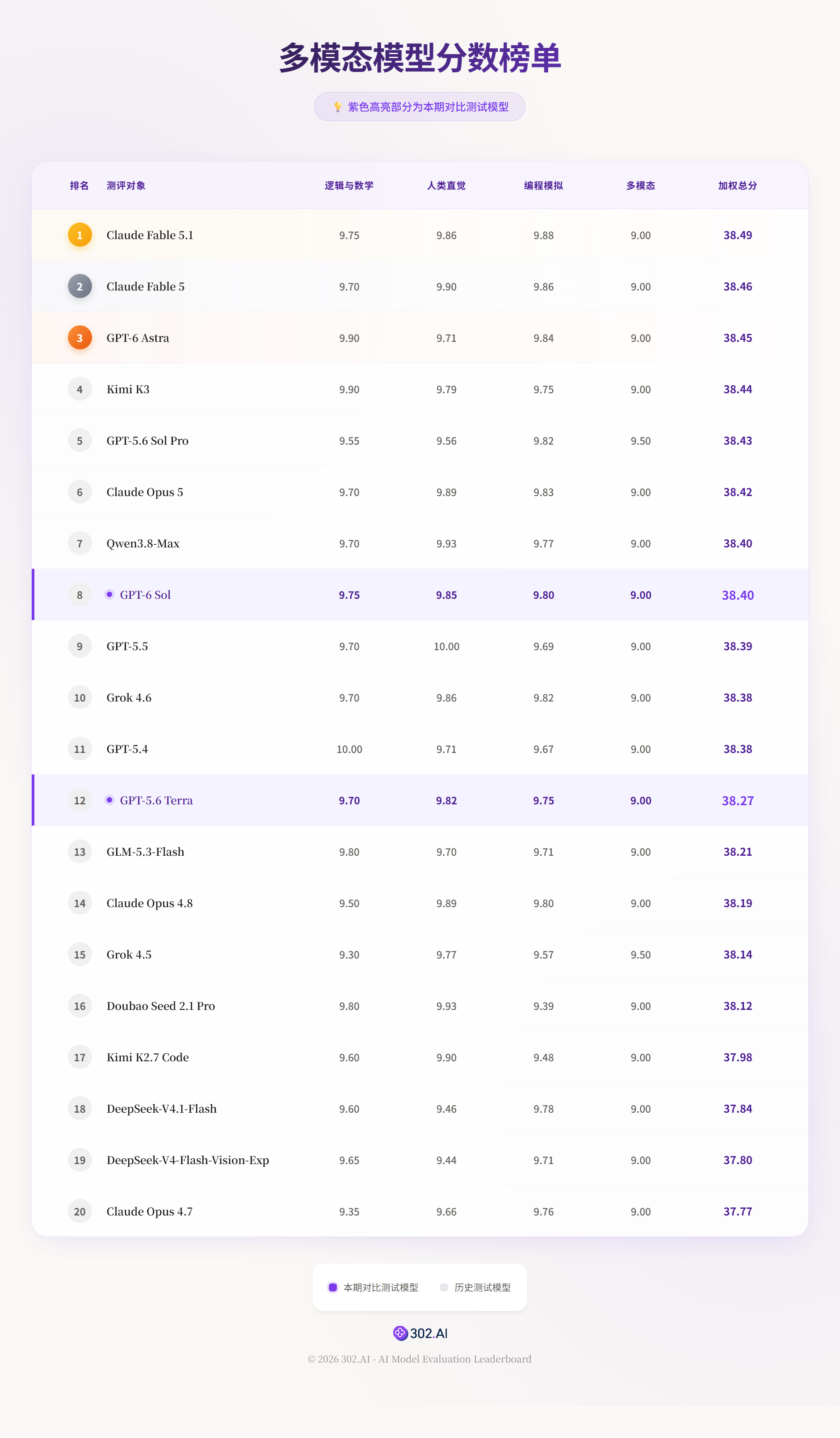
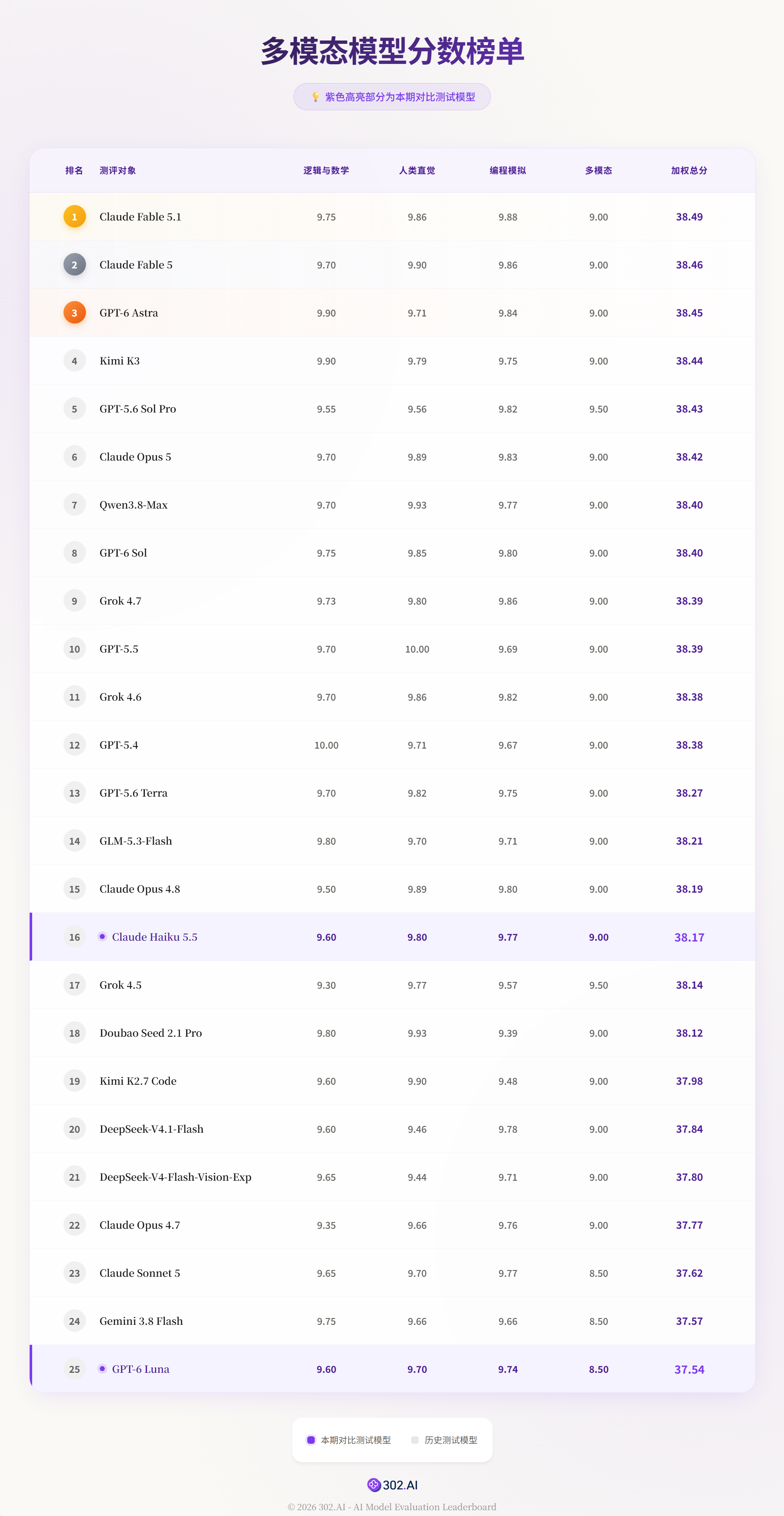
GPT-6 Sol posted a weighted total of 38.40, ranking 8th; Grok 4.7 followed closely with 38.39 in 9th place, while its predecessor Grok 4.6 scored 38.38 and ranked 11th. By category, Grok 4.7 led in coding simulation (9.86 vs 9.80), trailed slightly in logic and math (9.73 vs 9.75) and human intuition (9.80 vs 9.85), and tied with Sol at 9.00 in multimodal.
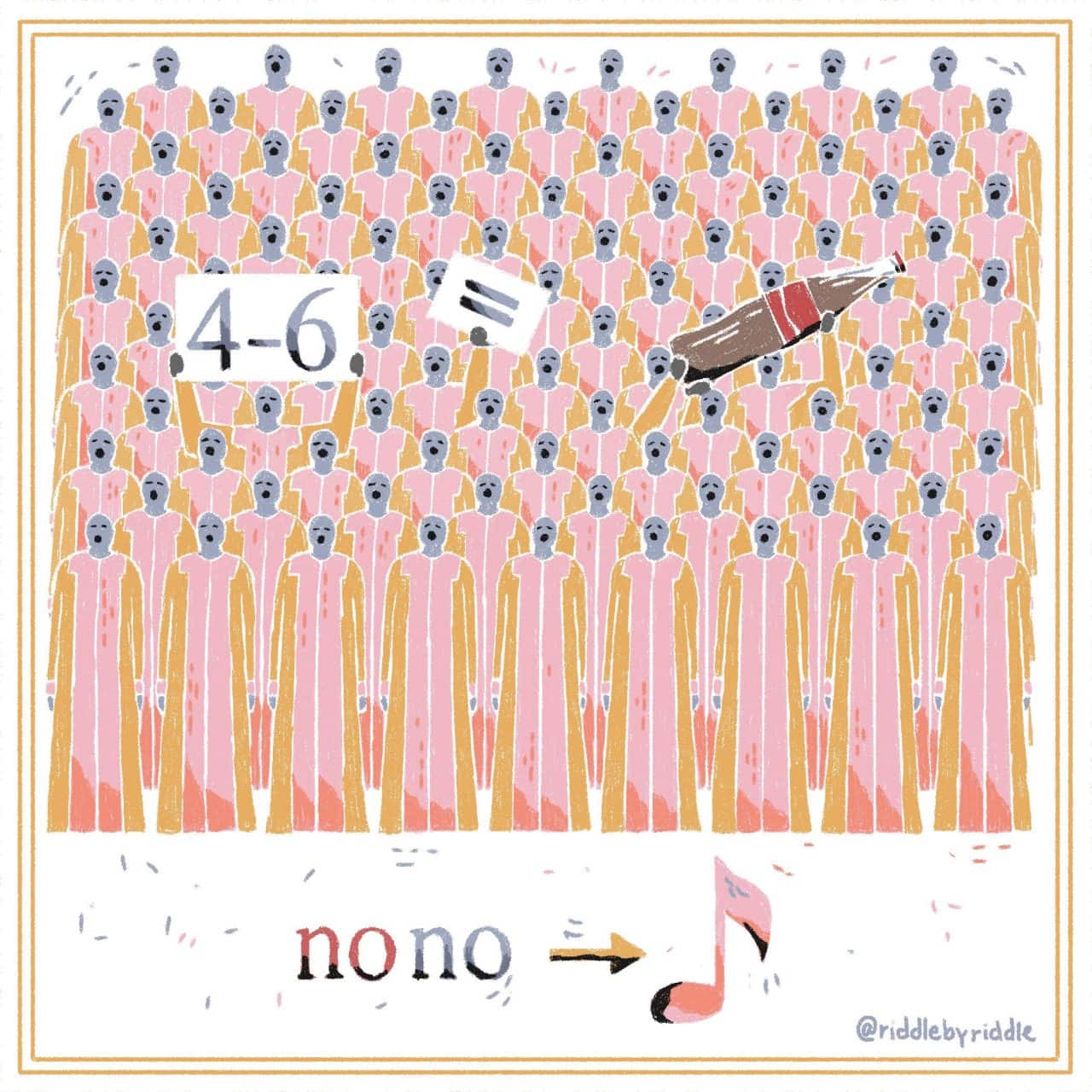
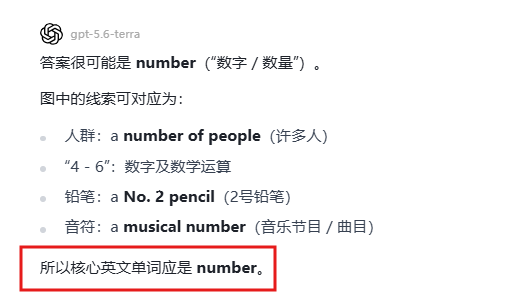
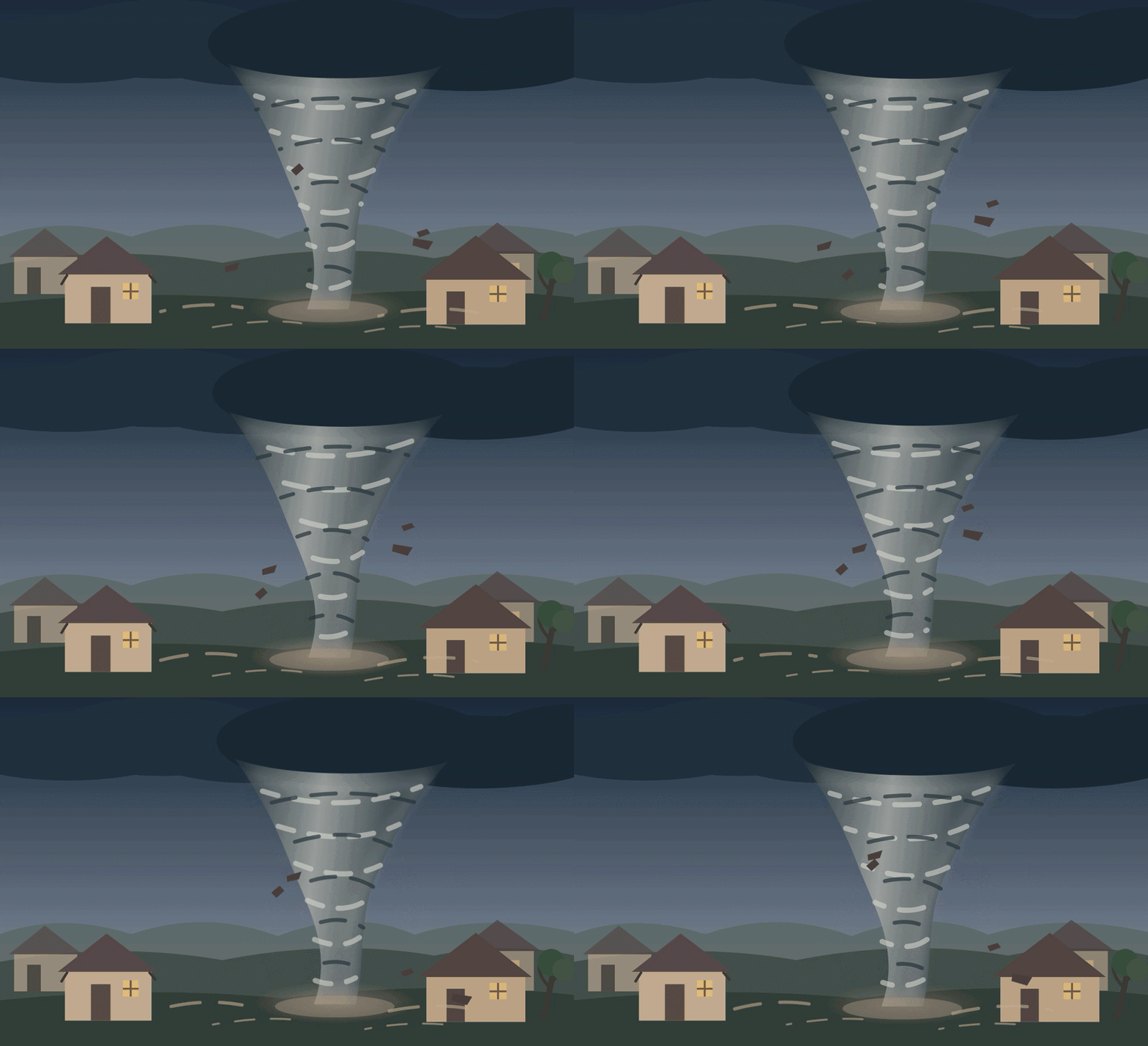
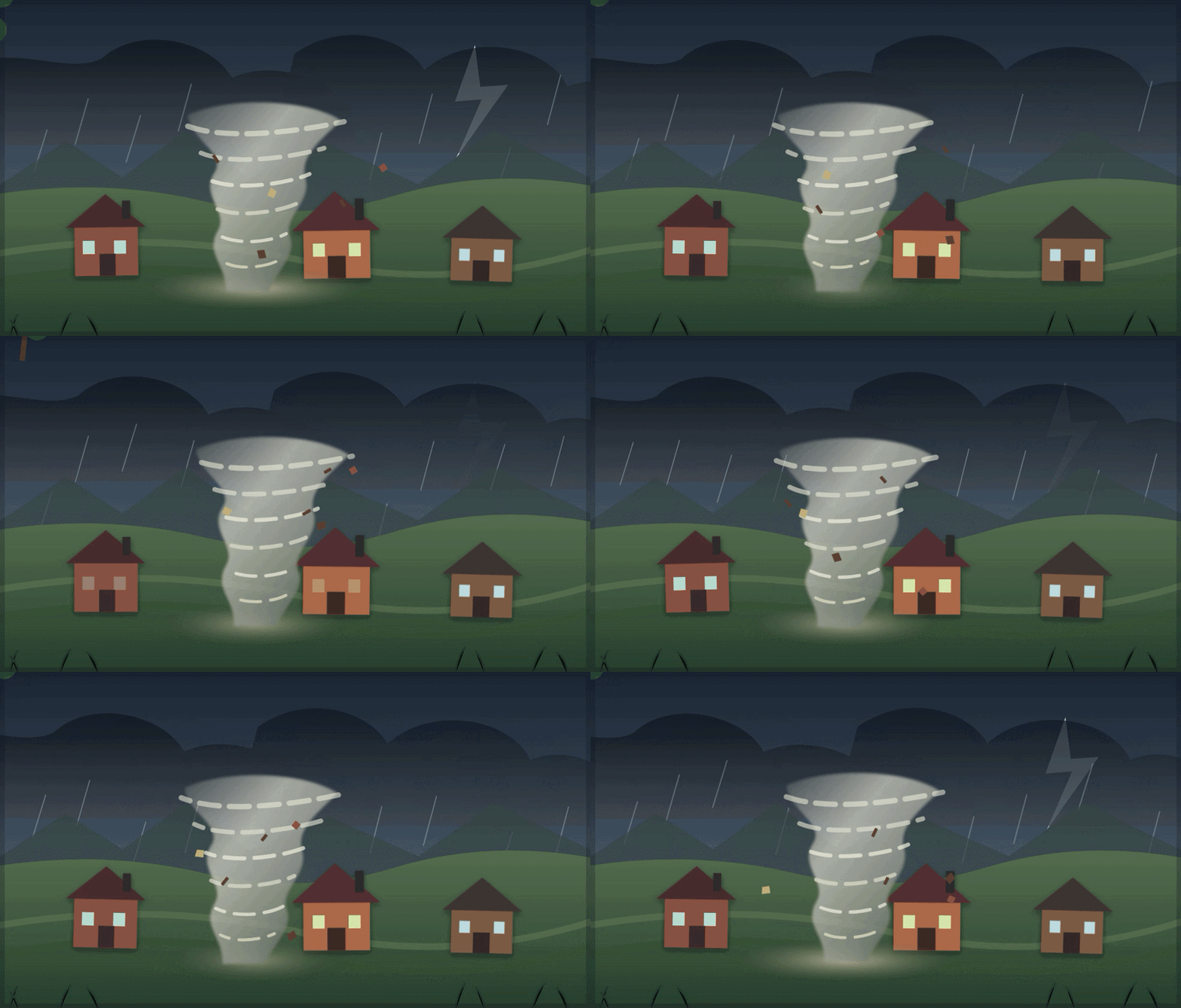
Case 1: multimodal reasoning
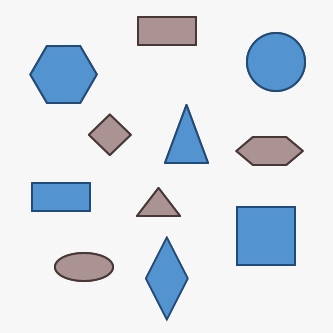
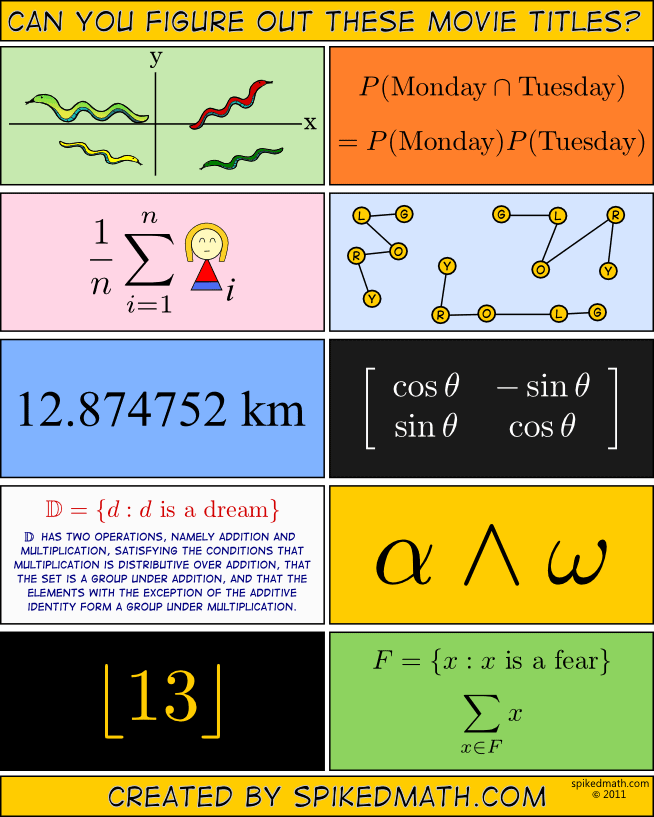
Prompt: Based on the images below, guess which famous film each one depicts.
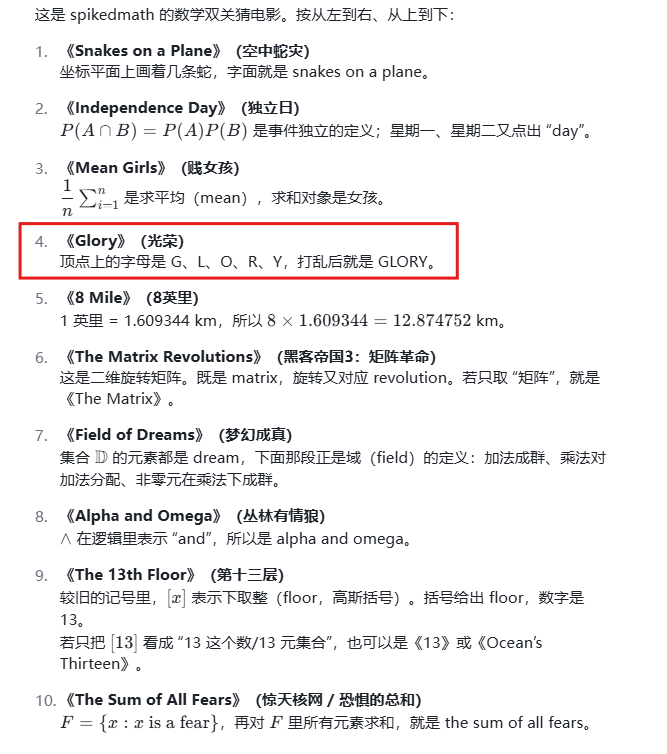
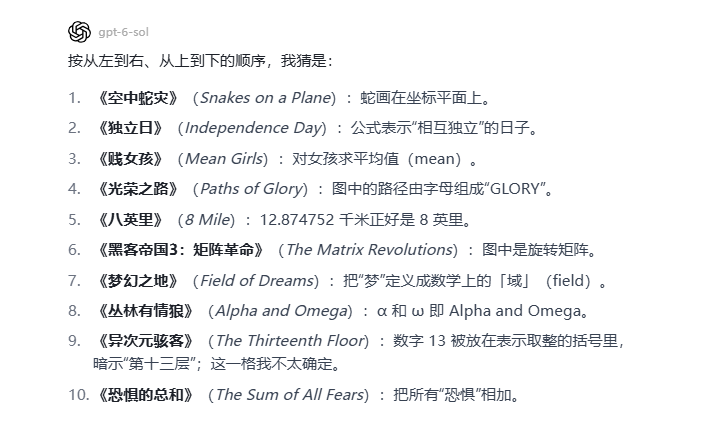
Answer:
- Snakes on a Plane
- Independence Day
- Mean Girls
- Paths of Glory
- 8 Mile
- The Matrix Revolutions
- Field of Dreams
- Alpha and Omega
- The Thirteenth Floor
- The Sum of All Fears
Case 2: procedural SVG generation
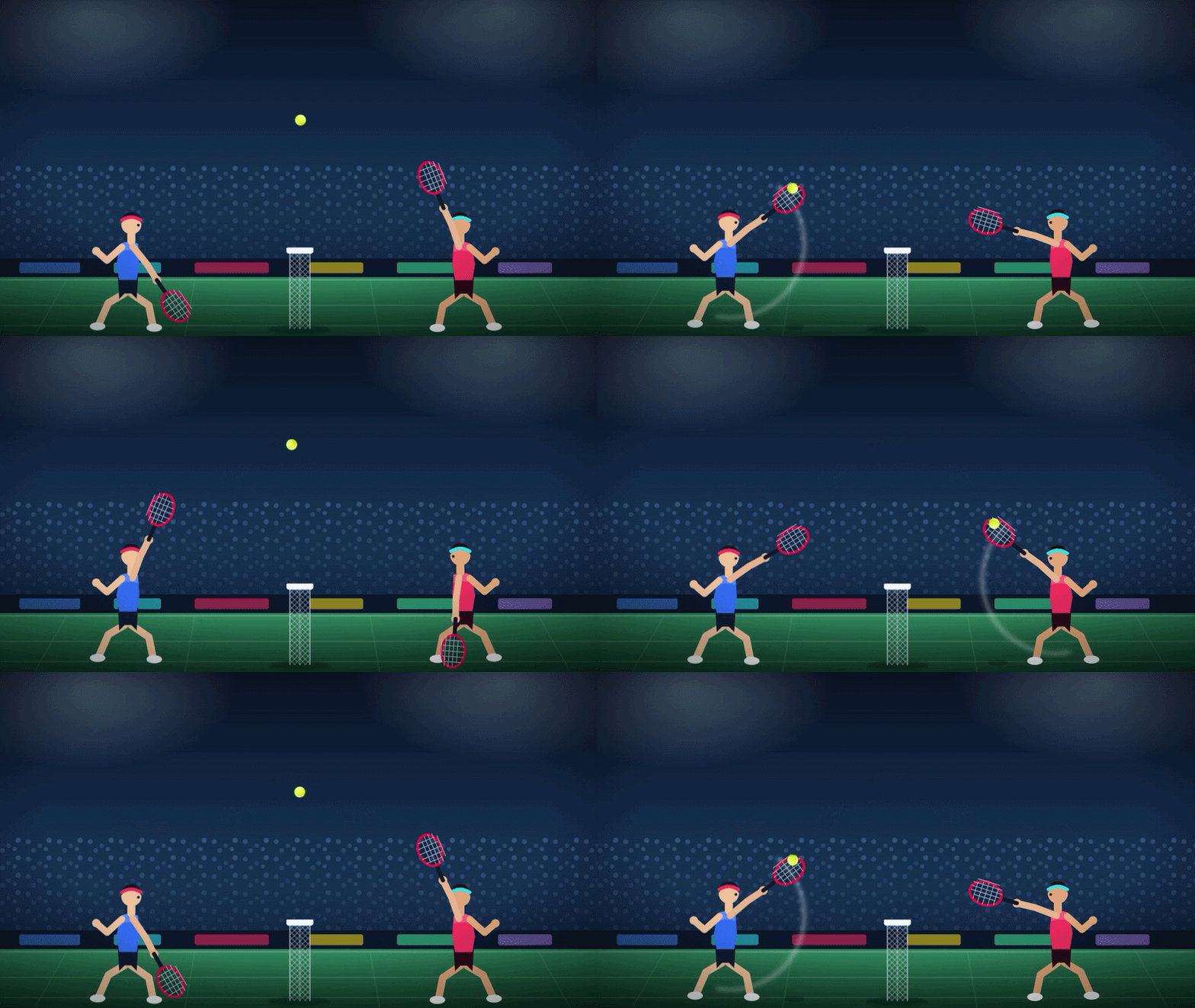
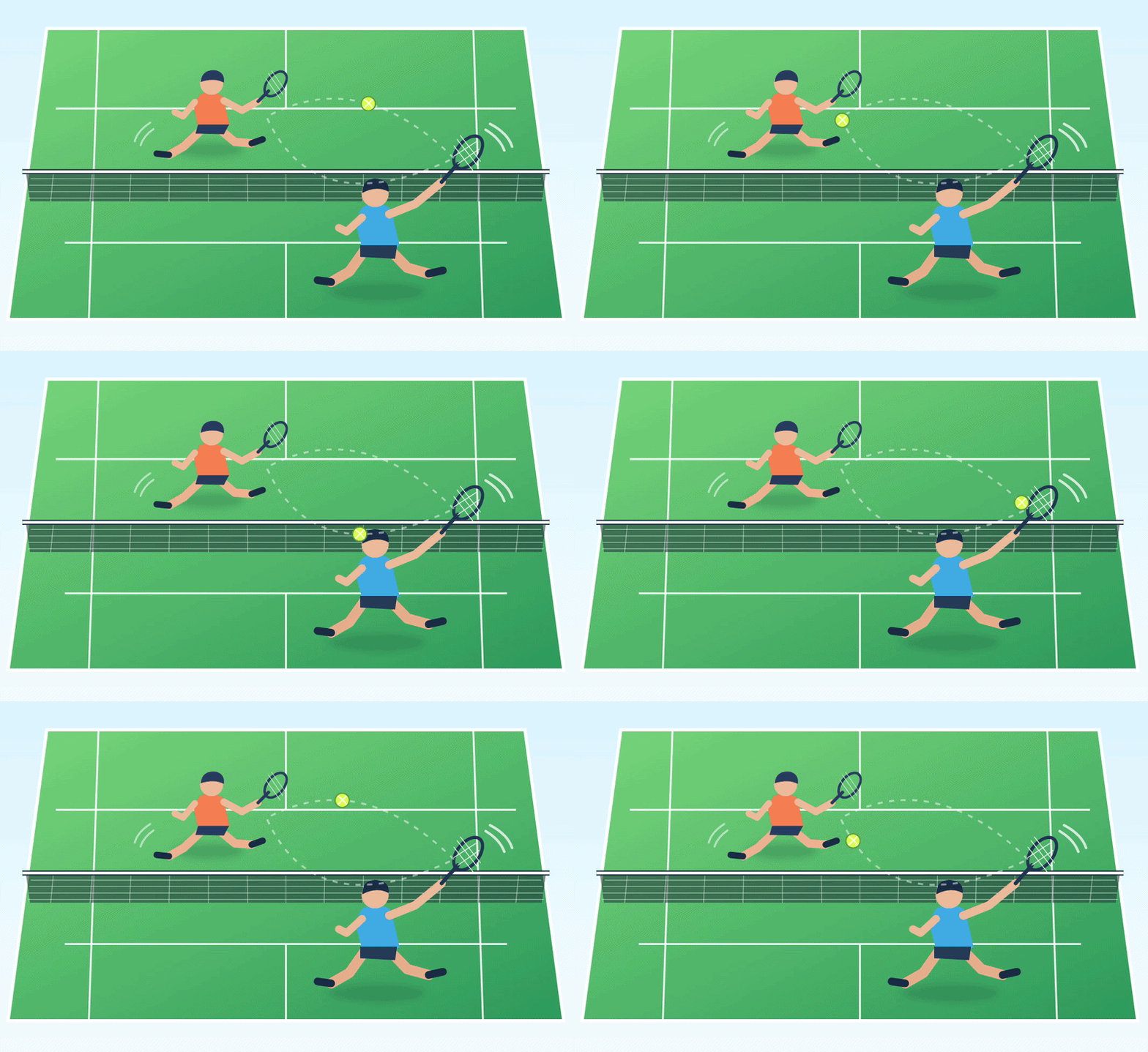
Prompt 1: Draw an animated SVG of two players in a tennis rally.
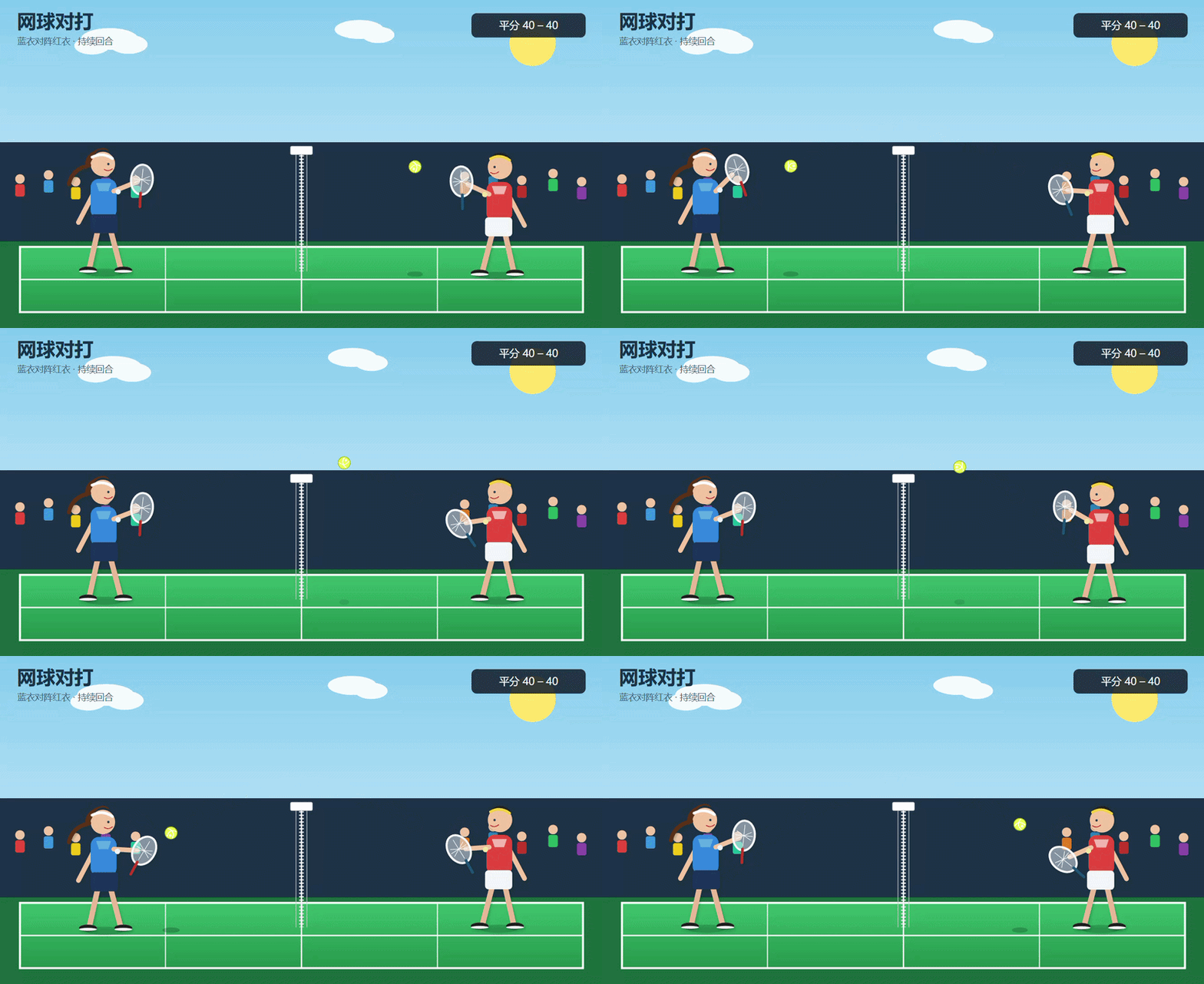
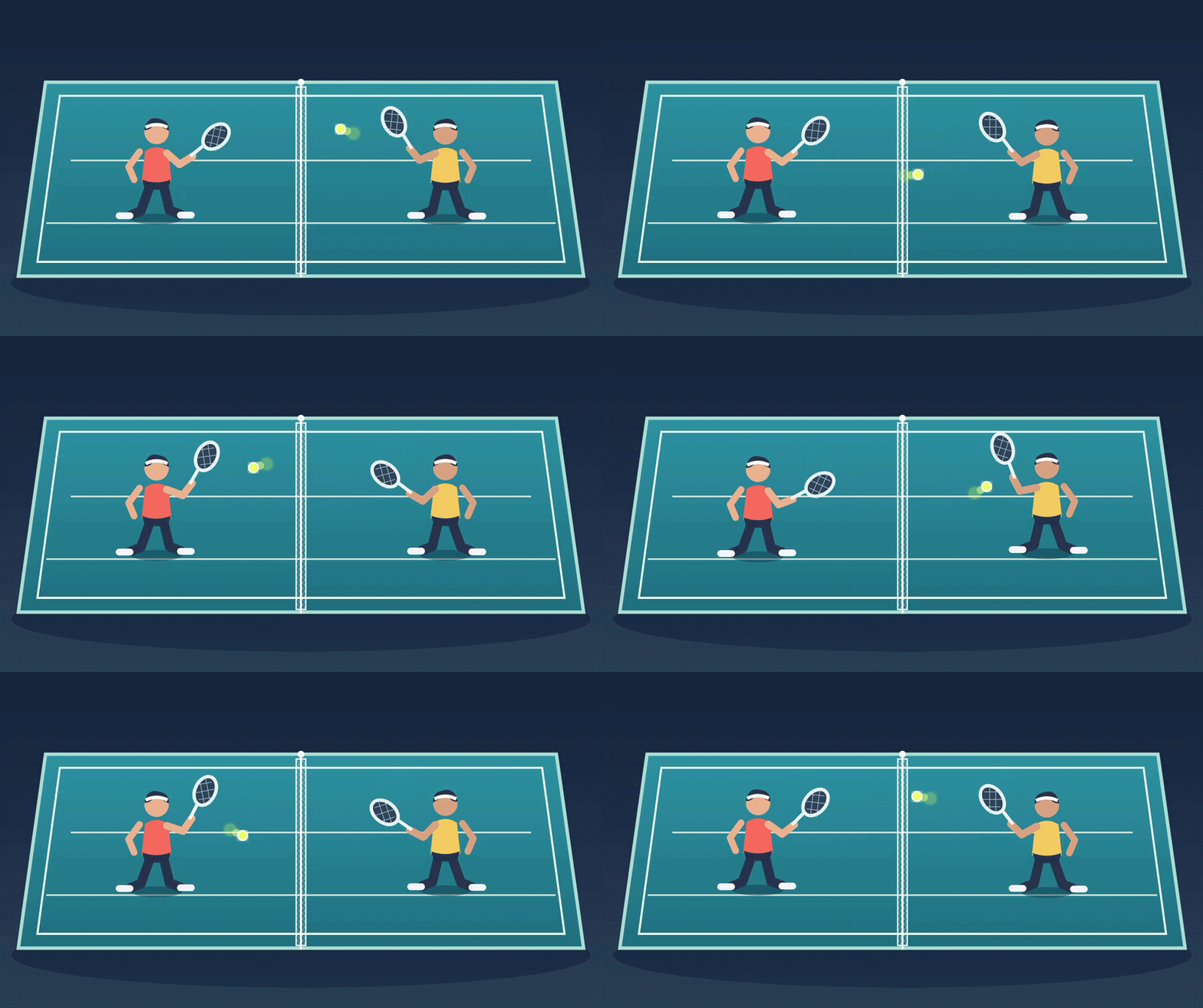
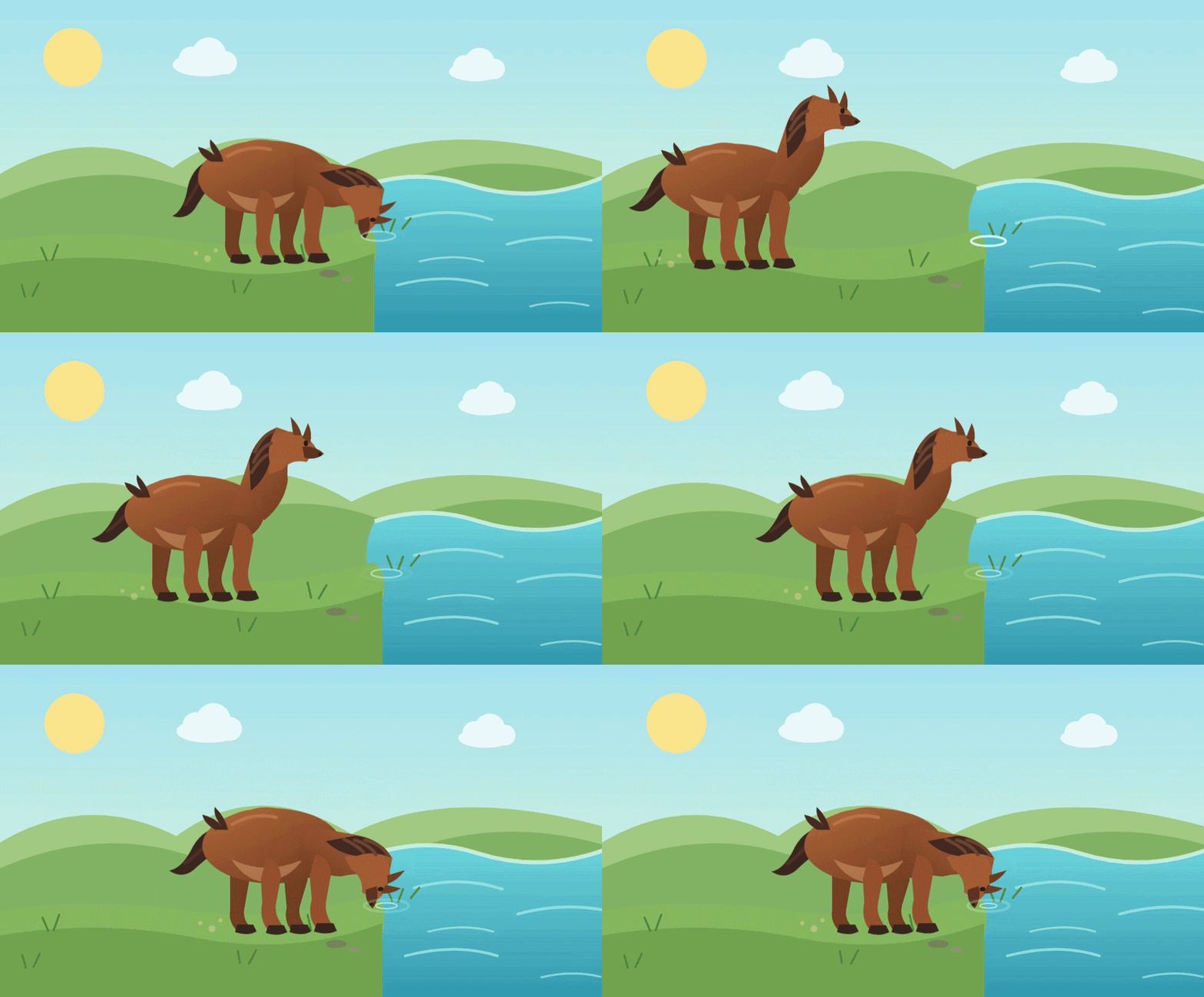
Prompt 2: Draw an animated SVG of a horse galloping to a river to drink.


| Criterion | Grok 4.7 | GPT-6 Sol |
|---|---|---|
| Semantic accuracy | ⭐⭐⭐⭐⭐ | ⭐⭐⭐⭐⭐ |
| Compositional complexity | ⭐⭐⭐ | ⭐⭐⭐ |
| Animation quality | ⭐⭐⭐⭐ | ⭐⭐⭐ |
Case 3: 3D endless runner
Prompt:
Create a polished 3D endless runner game as a single self-contained HTML file.
The gameplay should be inspired by the familiar mechanics of mobile endless runners: the character automatically runs forward along a multi-lane path, while the player can switch lanes, jump, slide, and dodge obstacles. Add collectible items, increasing speed, score tracking, and game-over/restart states.
Create a completely original setting, characters, environment, and visual identity. Do not copy the visual style, characters, locations, props, UI, or assets of any existing game. Use a stylized 3D aesthetic with a strong sense of depth and motion.
Include:
Smooth third-person camera following the character
Three-lane movement with responsive controls
Jumping, sliding, and obstacle avoidance
Procedurally generated sections so the run can continue
Moving obstacles and varied environmental hazards
Collectibles and score progression
Increasing difficulty and speed
Polished animations, lighting, particles, and camera effects
Keyboard and mouse controls
A clear start screen, HUD, game-over screen, and restart button
The final result should feel like a complete, polished 3D mini-game rather than a technical demo.
Grok 4.7
Strengths:
- Full true-3D rendering with Three.js, supporting realistic lighting, shadows and more.
- A complete game system: lane switching, jumping, sliding, increasing speed, distance milestones and a persistent best score.
Weaknesses:
- Mediocre visuals: the scene is dark overall and there are no effects when collectibles are picked up, which makes it less engaging.
- No touch controls for mobile.
GPT-6 Sol
Strengths:
- A 3D camera system with follow, shake, flash and speed-line effects, showing more technical sophistication.
- Geometry is built from 3D polygons with correct depth sorting, natural occlusion and a convincing sense of depth.
- Audio feedback, with sound effects synthesized on the fly using WebAudio, improves the game experience.
Weaknesses:
- Although built from 3D polygons, the visual style looks blocky.
- No locally persisted high score, so there is no "BEST" record after a restart, which weakens the motivation to replay.
| Criterion | Grok 4.7 | GPT-6 Sol |
|---|---|---|
| Gameplay creativity | ⭐⭐⭐⭐ | ⭐⭐⭐⭐ |
| Visual execution | ⭐⭐ | ⭐⭐⭐ |
| Technical implementation | ⭐⭐ | ⭐⭐⭐⭐ |
Case 4: immersive digital museum
Prompt:
Create a premium immersive 3D web experience about the history and making of traditional Chinese mooncakes, delivered as a single self-contained HTML file.
Design it as a cinematic digital museum rather than a conventional webpage. The visitor should move through a virtual exhibition space and experience the story through carefully choreographed camera movements, lighting, animations, spatial transitions, and interactive 3D objects.
The experience should include:
Origin & History — a cinematic introduction explaining the origins and cultural evolution of mooncakes through an immersive historical gallery.
Ingredients — interactively explore flour, lotus seeds, egg yolks, nuts, and other ingredients as detailed 3D objects.
Making Process — show the complete process: preparing the filling, making the dough, wrapping, shaping with a wooden mold, baking, and the final mooncake emerging from the oven.
Mooncake Showcase — create several original regional and traditional mooncake variations with different shapes, patterns, fillings, and textures.
Cultural Story — connect mooncakes with the Mid-Autumn Festival, family reunion, the full moon, lanterns, and traditional Chinese symbolism.
Build all visual elements yourself with Three.js and procedural geometry/materials. Do not rely on external images, downloaded 3D models, stock assets, or image textures. Model the mooncakes, ingredients, utensils, exhibition architecture, lanterns, moon, clouds, tables, shelves, and other major visual elements from scratch.
Use a sophisticated visual language: dark museum architecture, warm golden illumination, subtle volumetric atmosphere, realistic materials, soft shadows, reflections, floating particles, and restrained Chinese-inspired visual details.
The transitions should feel like a digital film or high-end interactive museum installation rather than a website slideshow. Use cinematic camera choreography, depth of field, slow reveals, object close-ups, environmental animation, and smooth transitions between exhibition spaces.
Make the experience highly polished and interactive. Users should be able to explore objects, trigger animations, zoom into the mooncake-making process, and move naturally between different exhibition areas.
The final result should feel like an award-winning interactive digital exhibition, with strong storytelling, atmosphere, spatial depth, and visual craftsmanship — not a collection of simple 3D objects placed on a webpage.
Grok 4.7
Strengths:
- Six exhibition halls with comprehensive content (home, origins, ingredients, making process, mooncake specimens and a garden landscape), creating a truly immersive digital exhibition.
- Cinematic camera choreography: automatic tours combined with manual dragging, with smooth curves for orbiting objects and scroll-wheel zoom, giving the visuals far more impact.
- All materials and textures are procedurally generated and drawn with Canvas 2D.
- A complete HUD and UI, with chapter panels, inspect cards, a loading screen and an intro.
Weaknesses:
- Excessive code size: the inlined Three.js bundle runs to about 46,000 lines.
- Shadows are disabled, relying mainly on SpotLight and a baked-lighting look instead.
GPT-6 Sol
Strengths:
- Five separate circular exhibition halls, divided by chapter, with a progress bar at the bottom.
- A mature camera-follow system that lets users adjust the view freely by dragging.
- A consistent visual language and high code quality.
Weaknesses:
- Loading depends on CDN modules, so it does not work offline.
- Some objects have limited geometric detail and look unconvincing up close.
- Weak interaction cues: some features give no highlight or outline feedback on mouse hover.
| Criterion | Grok 4.7 | GPT-6 Sol |
|---|---|---|
| Visual execution | ⭐⭐⭐⭐⭐ | ⭐⭐⭐ |
| Narrative and content completeness | ⭐⭐⭐⭐⭐ | ⭐⭐⭐⭐ |
| Interaction and user experience | ⭐⭐⭐⭐ | ⭐⭐⭐ |
Conclusion
Any assessment of Grok 4.7 runs into the same contradiction: judged on performance alone, it is not the top scorer in the field; factor in cost, and it sits at the frontier of price-performance. Taking the benchmark leaderboards and multiple rounds of hands-on tests together, Grok 4.7's improvement over Grok 4.6 is real and noticeable, but its weaknesses against top-tier flagships are just as hard to ignore.
Strength: noticeably better completion of complex, long-running tasks
Grok 4.7 shows gains on long-running tasks and complex knowledge work. The advantage is most visible on tasks that require the model to work through many steps, keep generating code and hold the overall structure together.
In these tests, Grok 4.7 stood out at breaking down and executing complex requirements, and the digital museum in case 4 was especially striking: in a single pass, the model built a multi-hall structure, camera tours, an interaction system and a complete narrative, producing not a pile of simple 3D objects but an immersive experience with a fair degree of completeness.
Strength: a low unit price is still its most practical advantage
Grok 4.7 keeps Grok 4.6's pricing of $2 per million input tokens and $6 per million output tokens, which on unit price puts it in the lowest tier among frontier models. With capabilities that can already compete with the top tier, that price leaves plenty of room to use it. For developers who make heavy use of models and also need some capacity for complex tasks, a low unit price directly lowers the cost of trial and error.
Weakness: benchmark results vary by setup, and general capabilities have room to grow
In official benchmarks, Grok 4.7 shows clear gains on CursorBench, Terminal-Bench, EEBench and others, but its scores drop in independent third-party tests and do not translate into a clear lead. It ranks only 16th on the Artificial Analysis overall leaderboard, with an Intelligence Index score of 46, a full tier behind GPT-6 Astra and Fable 5.1.
The hands-on cases also show that while Grok 4.7 is a strong generator on complex projects, it is still some way from genuine engineering optimization. For large HTML/Three.js projects like these, the longer the code, the higher the cost of later maintenance and changes.
In addition, the model's safety guardrails have been iterated on, with good results on biosecurity and cybersecurity benchmarks that balance blocking risky requests against sparing legitimate work. In general conversation and fine-grained instruction following, however, it may occasionally produce verbose output or rigid logic.
Weakness: token consumption may bring hidden costs
Although Grok 4.7's pricing is identical to Grok 4.6's, some community feedback notes that on complex tasks the model produces longer reasoning chains, pushing up output token consumption.
On simple tasks, Grok 4.7's per-token cost advantage is clear; in long, continuously iterated workflows, however, the total bill is not necessarily lower than with high-end models.
Choosing a model: look beyond benchmarks and list prices
Grok 4.7 is not a sweeping upgrade toward an all-round general model; instead, more resources have gone into specialized capabilities such as long-running engineering work and agents. Its capability range cannot be defined by benchmark scores alone, and its potential problems should not be glossed over by a low price tag. When choosing a model, beyond benchmark scores and published prices, real-world factors such as task complexity, number of iterations and token consumption need to be considered to judge whether it fits your use case.
Source: 302.AI