AI startup, solo business and product case studies focused on methods and their limits.
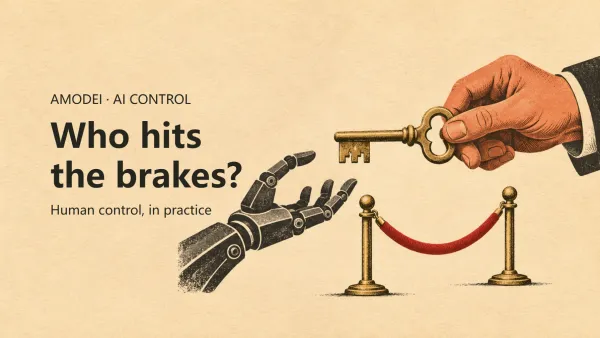
Amodei rejects handing governance to AI and accuses rivals of competing on slogans. His limits on research, jobs and individual choice offer a more concrete way to judge the companies.
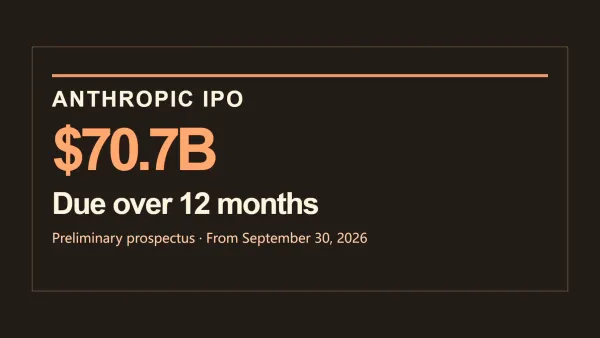
Anthropic ended its Nasdaq debut up about 17%, but the company’s share sale is still priced at $83. Compare its roughly $79.4 billion in gross proceeds with near-term compute payments and data center deliveries.
United Airlines is restricting bookings by unauthorized AI agents while Southwest lets travelers find flights in ChatGPT. Who checks the fare, issues the ticket, and handles changes?
Val Town is winding down despite having an AI coding assistant and paying users referred by AI. Its business updates and internal tools show the challenge of finding customers who will keep paying.
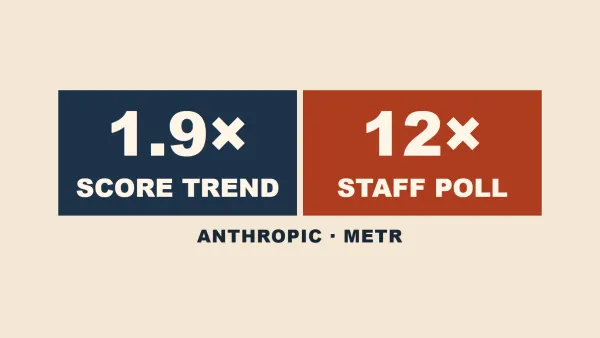
METR estimates that Anthropic’s model benchmark scores are improving at 1.9 times their earlier pace. What does the 12× staff reported measure, what does METR’s rough 80% estimate refer to, and how much can public data verify?
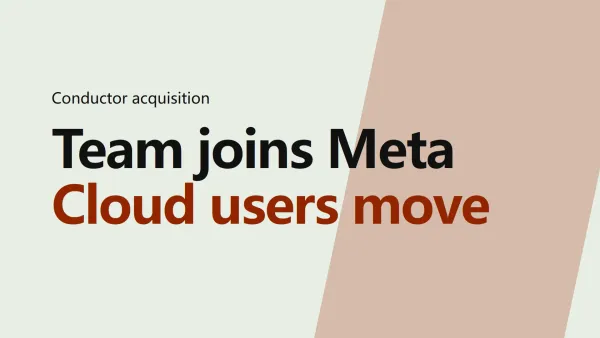
Meta acquires Conductor. The team plans a new interface as Cloud goes read-only and closes in November. The product’s value and users’ reactions reveal two outcomes from one deal.
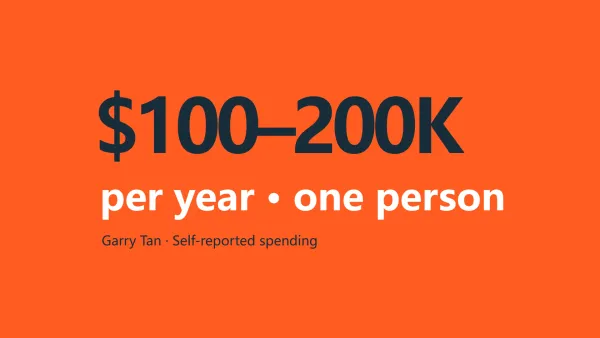
Garry Tan says he spends roughly $100,000–$200,000 a year on AI. His public gstack workflow shows how he runs development in parallel, narrows ideas into small releases, and handles the decisions that still need a person.